A used motorcycle is one of the easiest things in the world to buy badly. A clean wash, a fresh set of grips, and a confident seller can hide a tired top end, a bent frame from a laid-down crash, a salvage title, or a charging system on its last legs — and none of it shows on a test ride around the block. The cost of finding out after the sale is measured in thousands of dollars and a season off the road. The cost of finding out before is one inspection.
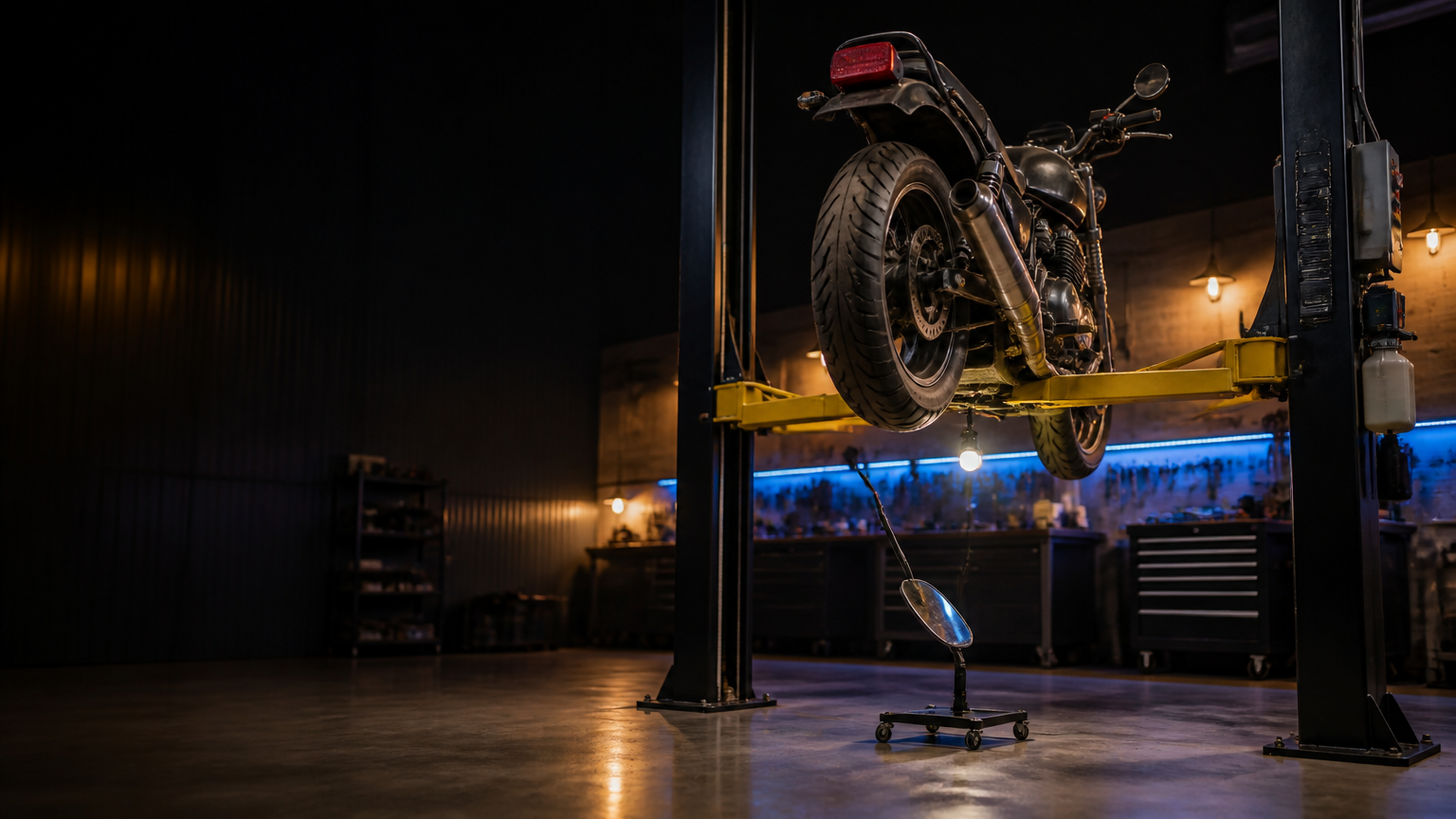
That's the entire reason we offer this as an independent service: we don't sell you the bike, so we have no reason to tell you anything but the truth about it. We put it on a lift, use real diagnostic equipment, and tell you what's healthy, what's worn, and what's going to cost you soon. It's the same trained eye that runs our Miami service department every day, pointed at a machine before it's yours. And because we service any motorcycle, we know exactly what these bikes look like when they've been cared for — and when they haven't.
A real inspection is systematic, not a walk-around. We check the systems that cost the most to fix and are the easiest to hide, and we verify the paperwork that can turn a good deal into a legal headache. Here's what we go through.
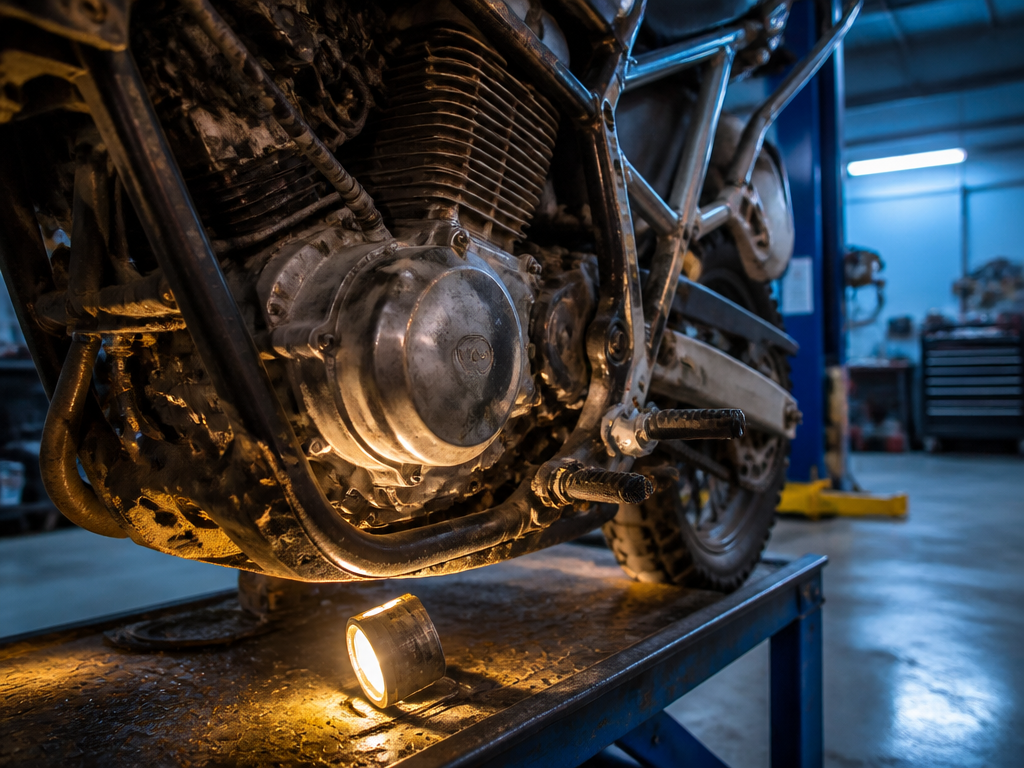
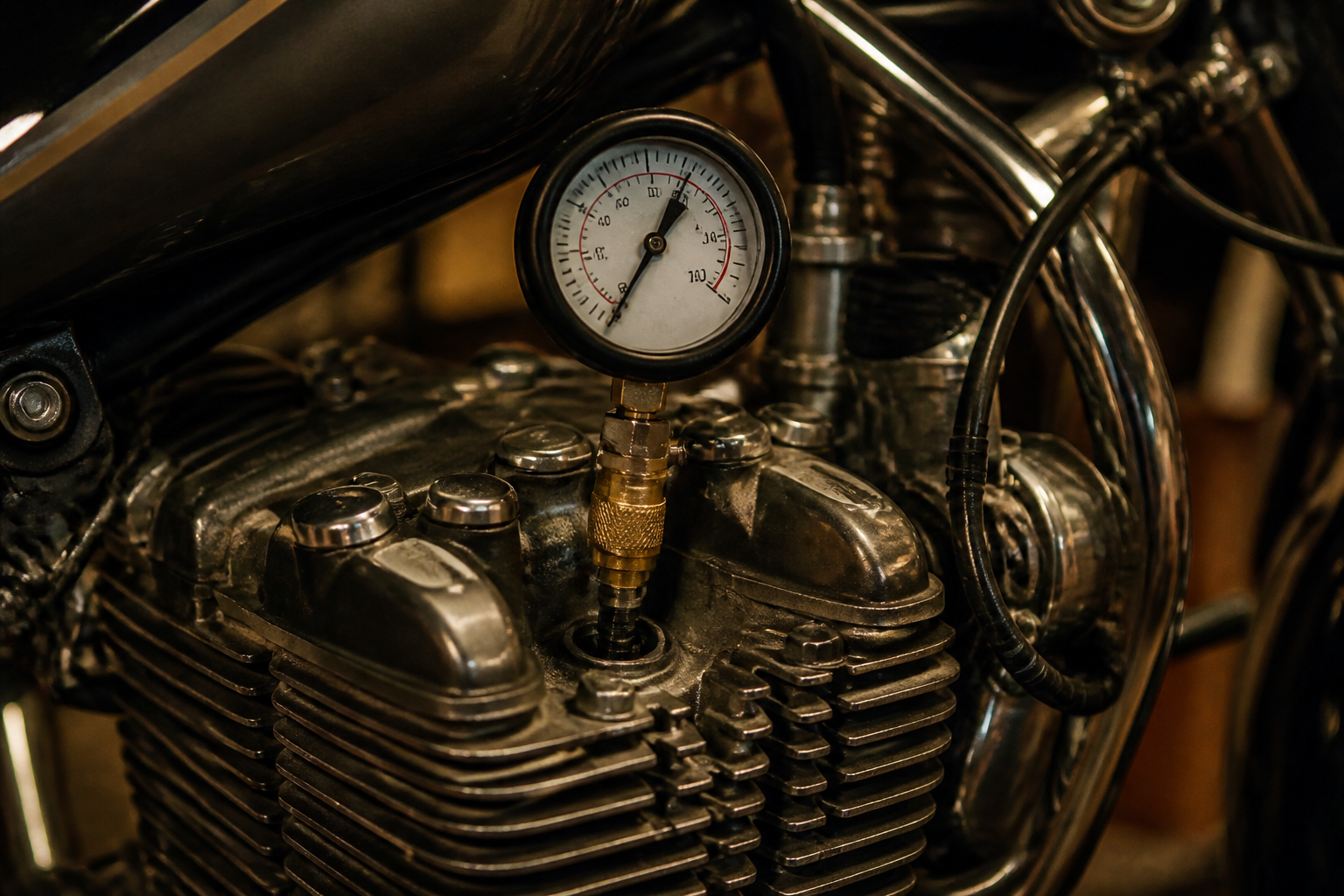
Compression testing, oil leaks, smoke, noises, and cooling-system condition — the internal health that a shiny exterior can't reveal and that costs the most to put right if it's tired.
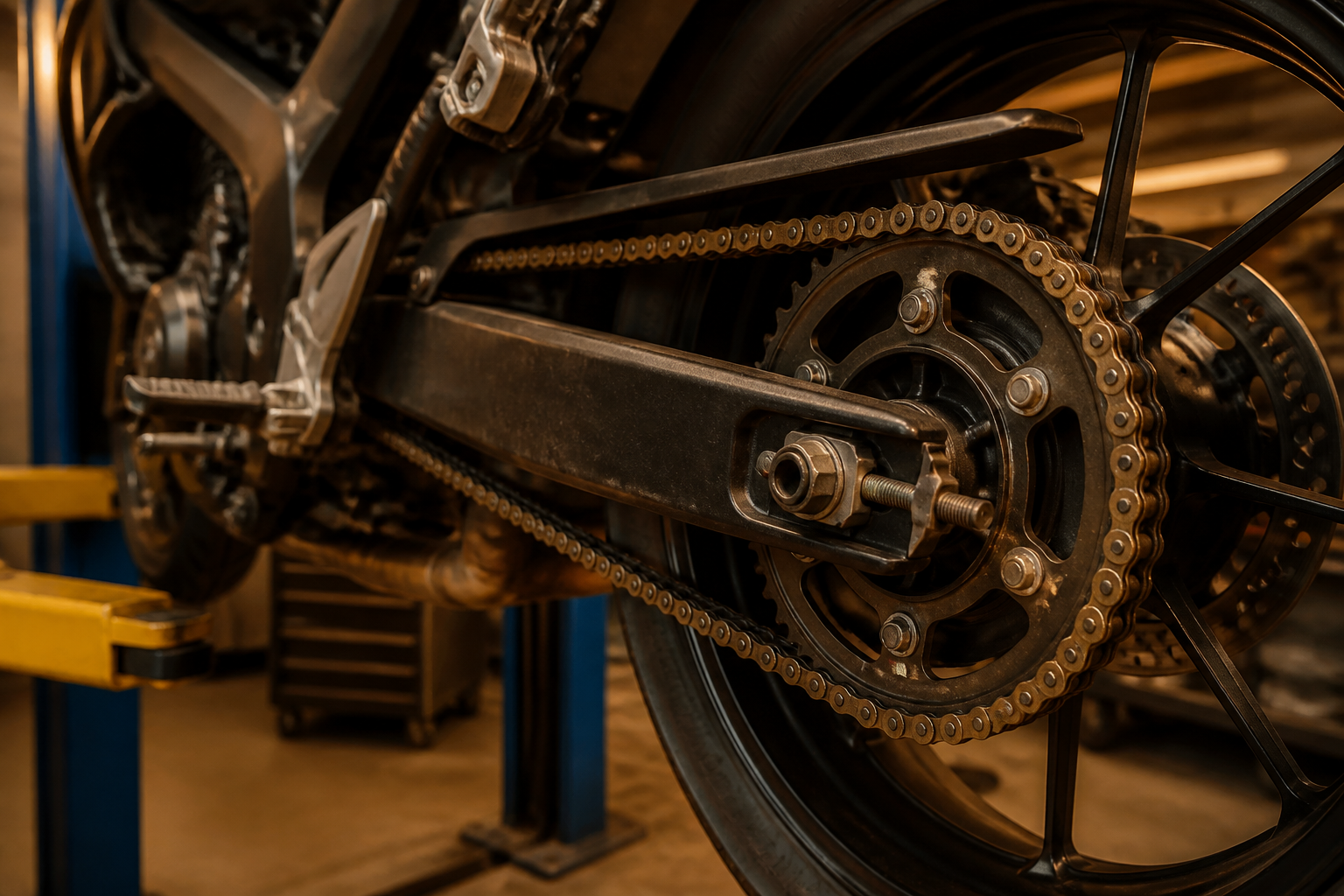
Chain, sprockets, wheel bearings, steering-head bearings, and general chassis wear — the running-gear items that reveal how hard a bike was ridden and how much it'll need soon.
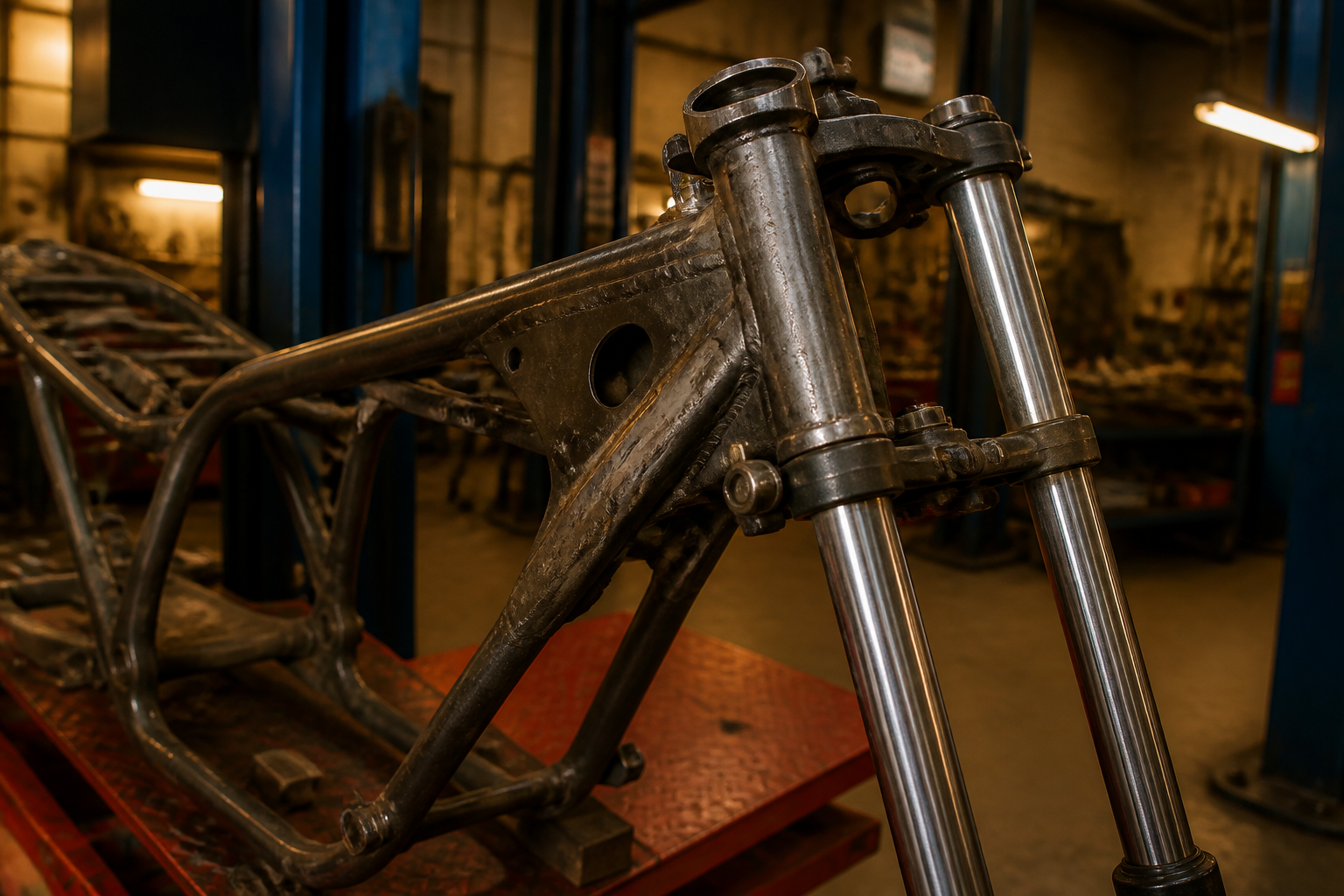
Frame straightness, fork alignment, and the tell-tale signs of a crash a seller hopes you won't spot — mismatched bolts, fresh paint, ground-down pegs, and subframe damage.
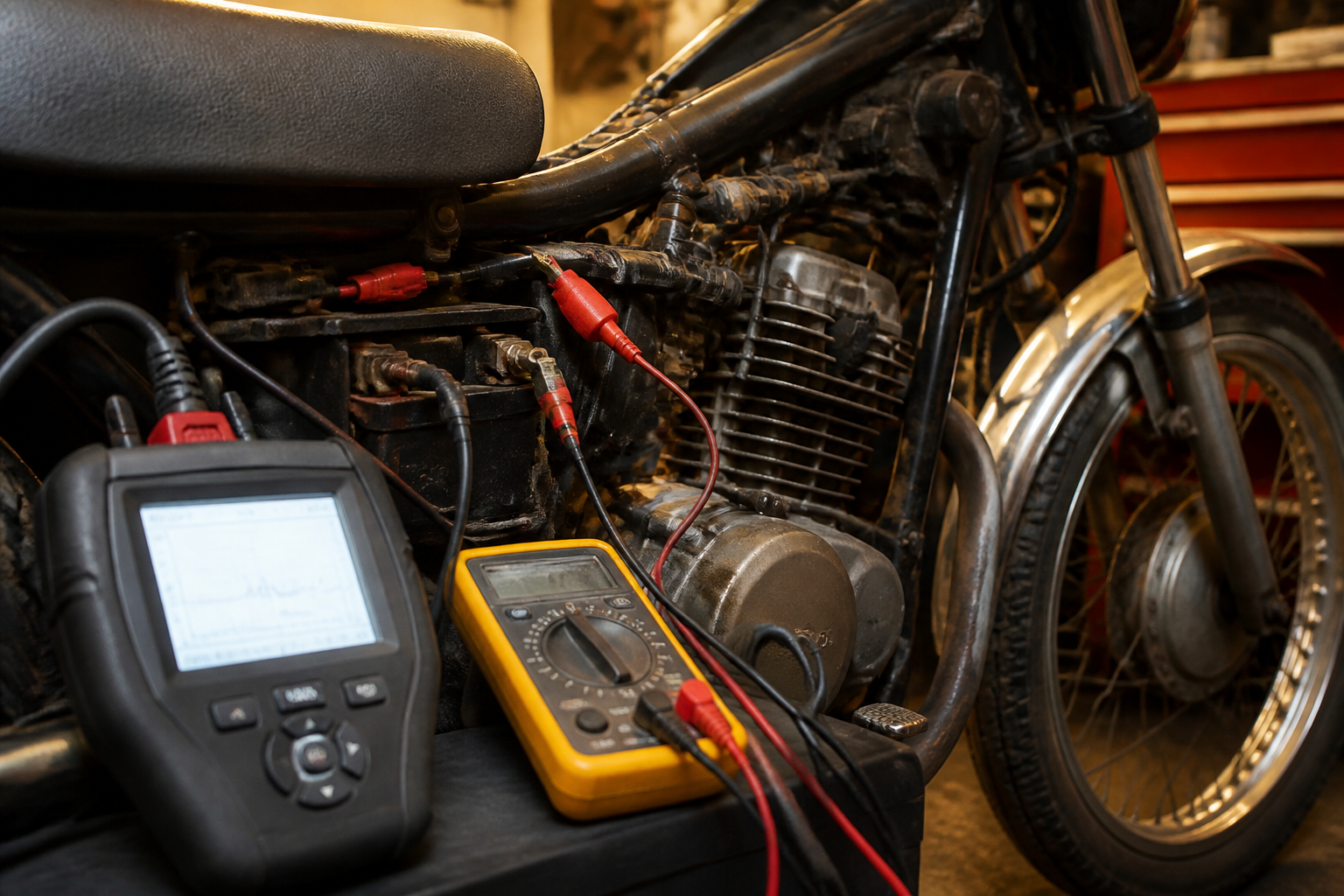
Charging output, battery health, stored fault codes, and function of lights and controls. Our diagnostic equipment catches electrical problems before they become your problem.
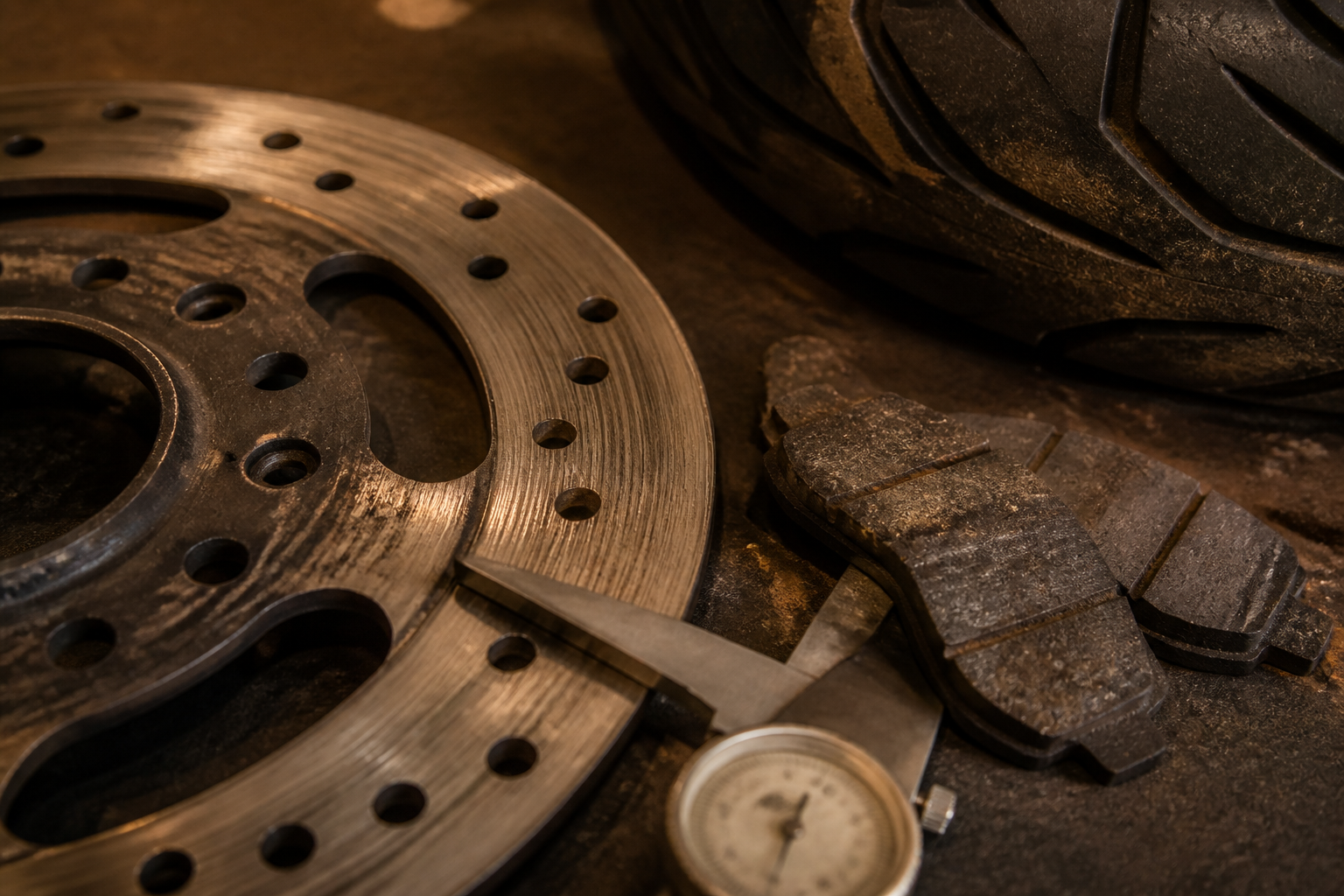
Pad and rotor life, tire age and tread, and fluid condition — the near-term costs that add up fast. What needs replacing soon becomes real leverage on the price you pay.
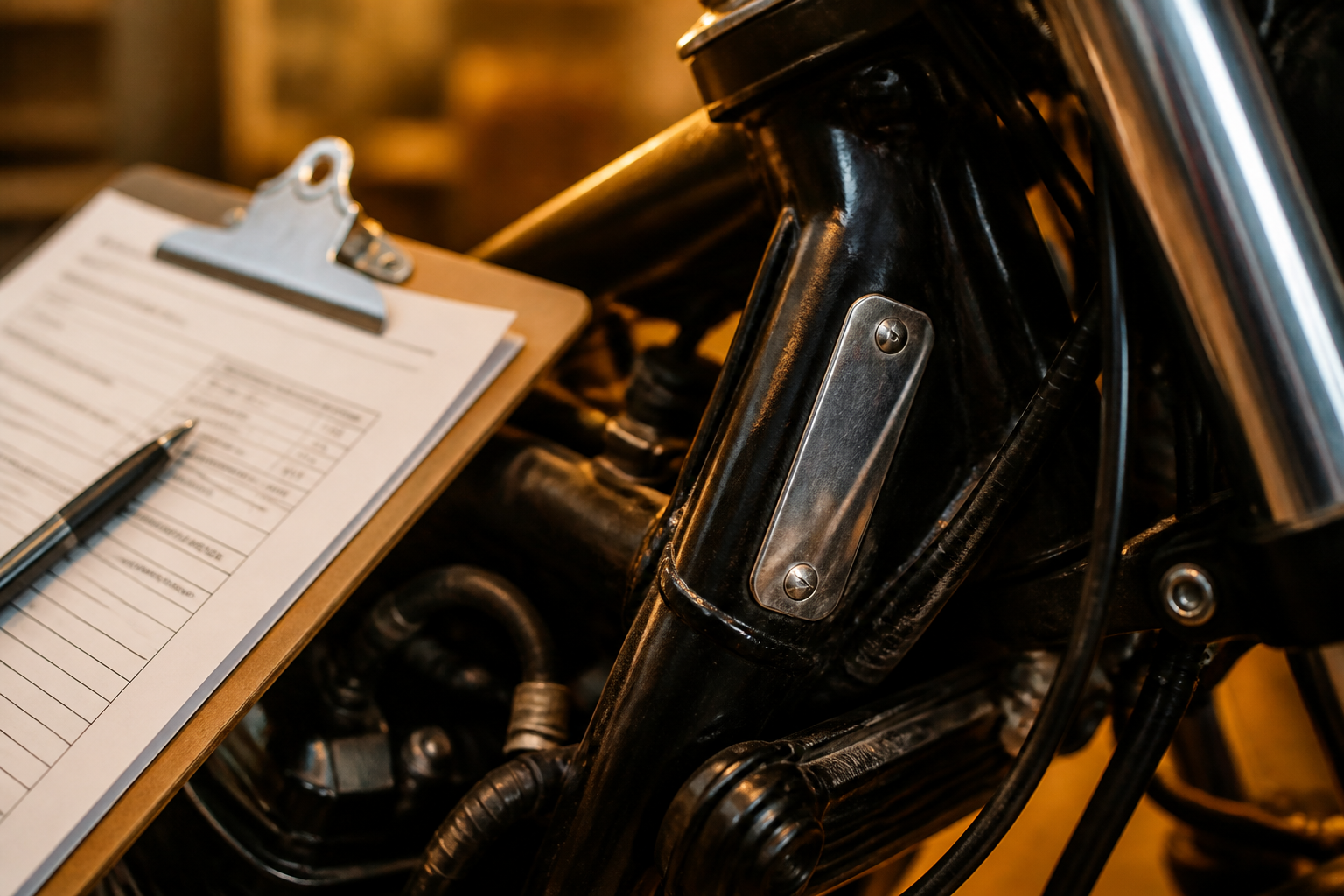
We confirm the VIN matches the paperwork and flag salvage, rebuilt, or lien concerns. A mechanically perfect bike with a title problem is still a bad buy — we check both.
The short answer: any time you're buying a used bike you can't fully verify yourself, and especially on a private-party sale where there's no dealer standing behind it. The more the purchase costs, the more the math favors an inspection — but even on a budget bike, a PPI keeps you from buying someone else's expensive problem. If a deal feels too good, that's exactly when you want a neutral expert to look before you leap.
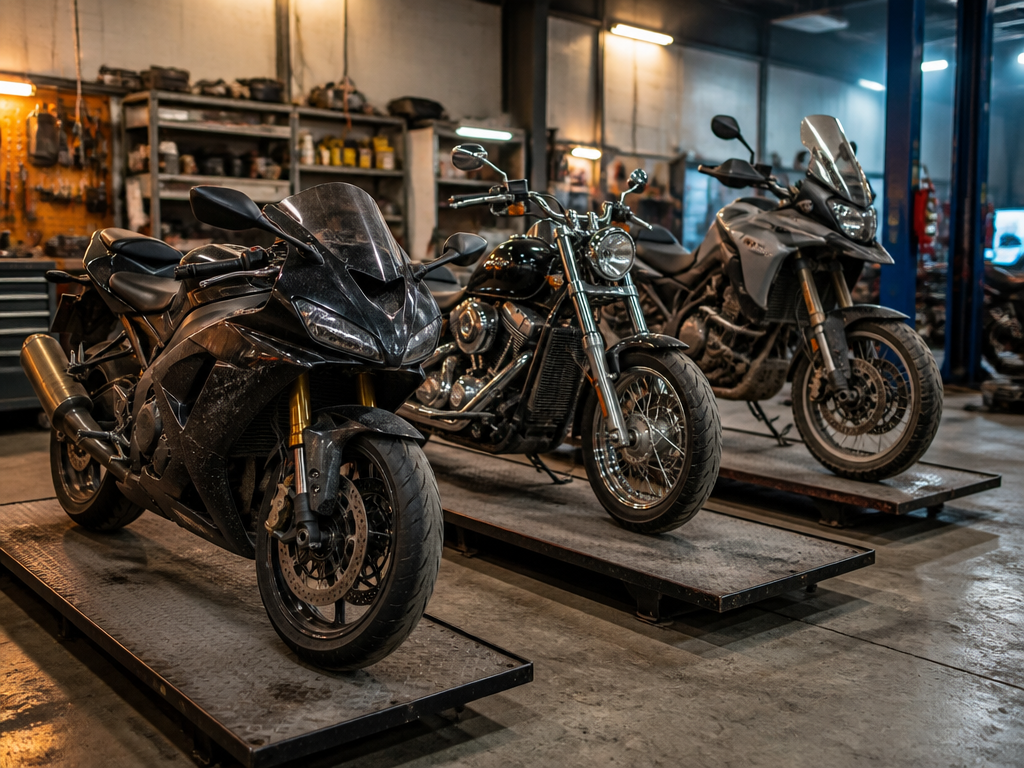
We inspect every category we service, because each one hides trouble differently. A sport bike may have been tracked or crashed; a cruiser or bagger may have heavy-mileage driveline wear; a touring rig could have accessory-wiring gremlins; and an adventure bike might have been dropped off-road more than the seller admits. Whatever you're eyeing — and whether it comes from a private seller or our own used inventory — we'll tell you what it really is.
A little vocabulary makes you a far harder buyer to fool. These are the terms that separate a good used bike from an expensive mistake.
Compression testing reveals the health of the top end; a leak-down test pinpoints where a weak cylinder is losing it — rings, valves, or head gasket. Low or uneven numbers are expensive news.
A salvage title means the bike was totaled by an insurer; rebuilt means it was repaired and re-inspected. Both crater resale value and can complicate insurance — you must know before you buy.
The frame VIN must match the title, and the title must be lien-free — otherwise you may be buying a bike the seller doesn't fully own, or one that isn't what its papers claim.
Ground-off peg feelers, scuffed bar-ends, mismatched fasteners, overspray, and a bent subframe all whisper "dropped or crashed." One or two can be minor; a pattern is a warning.
Notchy steering-head bearings and rough wheel bearings are common on high-mileage or crashed bikes and are easy to miss on a test ride — but obvious with the bike on a lift.
Documented maintenance records — especially valve service on bikes that need it — are worth real money and a strong sign of a cared-for machine.
Most buyers inspect a used bike with a five-minute walk-around and a lap of the neighborhood. Here's the gap between that and what a real inspection catches.
Buying used in South Florida carries risks a buyer up north never has to think about, and they're exactly the kind that hide from an untrained eye. Salt air is the first: bikes ridden near the coast, the beaches, and the barrier islands accumulate corrosion on fasteners, electrical connectors, fork lowers, and unprotected metal that a quick look glosses over but that signals both age and neglect. A bike that lived its life a few blocks from the ocean can look great in photos and be quietly corroding underneath — and we know exactly where to look.
Then there's water and weather history. Between hurricane season, tropical storms, and the flooding that follows a hard Miami downpour, some used bikes in this market have been through more water than a seller will ever mention — and flood exposure wreaks havoc on electrics, bearings, and internals in ways that surface months later. The heavy private-party market here also moves a lot of bikes fast, sometimes across several owners in a short window, which is fertile ground for undisclosed crash repair and paper problems. Our inspection is built with all of this in mind: we check for corrosion patterns, water-intrusion signs, and the crash and title red flags that the Miami used market produces more of than most. An out-of-state Craigslist checklist doesn't account for any of it — a local shop that sees these bikes every day does.
Set up a time and arrange with the seller to bring the bike to our shop.
On the lift: engine, chassis, electrical, brakes, wear, and title verification.
A clear rundown of what's healthy, what's worn, and what it'll cost soon.
Buy with confidence, negotiate with leverage, or walk away clear-eyed.
We inspect and service any motorcycle — and once it's yours, we're the shop that keeps it right.
"They found a bent subframe and overspray on a 'clean' bike I was about to buy. Saved me from a crashed machine and a salvage-title headache. Cheapest money I've ever spent."
— Kevin B., Homestead
"Bike checked out mostly good but needed tires and fork seals. Their report let me knock $900 off the asking price. Bought it with total confidence and they've serviced it since."
— Natalia F., Coral Gables
Yes, we inspect at our service department where we have lift access, diagnostic equipment, and proper lighting to see what a parking-lot look-over never will. A real inspection means getting the bike up, wheels off the ground, and panels moved — that's not something done well in a stranger's driveway, and it's exactly the difference between a guess and an informed decision.
Most inspections are completed same-day, often within a couple of hours once the bike is here. We'd rather be thorough than fast, so if we find something that needs a closer look we'll take the time — because the whole point is to know what you're buying before the money changes hands, not after. If the seller can only meet at a set time, we do our best to work you in quickly so a good deal doesn't slip away while you wait.
That's a red flag worth taking seriously. A seller who's confident in the bike's condition almost never objects to an independent check by a neutral shop. When someone refuses, it usually means either they're hiding something or they don't actually know the bike's history — and either way, that's information you want before you commit thousands of dollars.
Yes. A pre-purchase inspection works the same regardless of who's selling — private party, dealer, or auction-bound bike. An independent, unbiased set of eyes matters just as much on a dealer bike, because our only job is telling you the truth about the machine, not closing a sale. A dealer's 'inspected' or 'certified' sticker isn't the same as a neutral check done on your behalf, and dealers miss things too — so it's worth the peace of mind.
Engine compression and oil leaks, drivetrain and chassis wear, frame and fork straightness and crash indicators, electrical and charging systems, brakes, tires, and overall wear — plus title and VIN verification to flag salvage, rebuilt, or lien issues. You get a clear picture of the bike's real condition and what it'll need soon.
Yes. We give you a clear rundown of what we found — what's healthy, what's worn, and what will need money soon. That's honest leverage: if the bike needs tires, fork seals, or a valve service, you have documented reasons to negotiate, or the confidence to walk away. Plenty of buyers save far more than the inspection cost on the price alone, and every one of them buys with a clear head.
An inspection is the start of owning the right bike. Shopping our own used motorcycle inventory means the homework's already done; once you've bought — from us or anywhere — a first maintenance and major service brings the bike current and documents its history from day one. And because we service any motorcycle, we'll be here for it long after the sale.
Based on Biscayne Blvd in Miami's MiMo corridor, we inspect used bikes for buyers throughout Miami-Dade.
Book an independent pre-purchase inspection in Miami — and buy your next bike with confidence, not hope.
Book an Inspection