Harley riders get sold "stages" like they're a shopping list, and plenty of shops will happily bolt on parts and hand the bike back running on a generic map. That's how you end up with a loud bike that runs hot, stumbles in the midrange, and makes less usable power than a properly built Stage 1. The parts are only half of it. What actually makes a stage kit deliver — real torque, clean running, and controlled heat — is the dyno tune that ties the intake, exhaust, and cams together into one working combination.
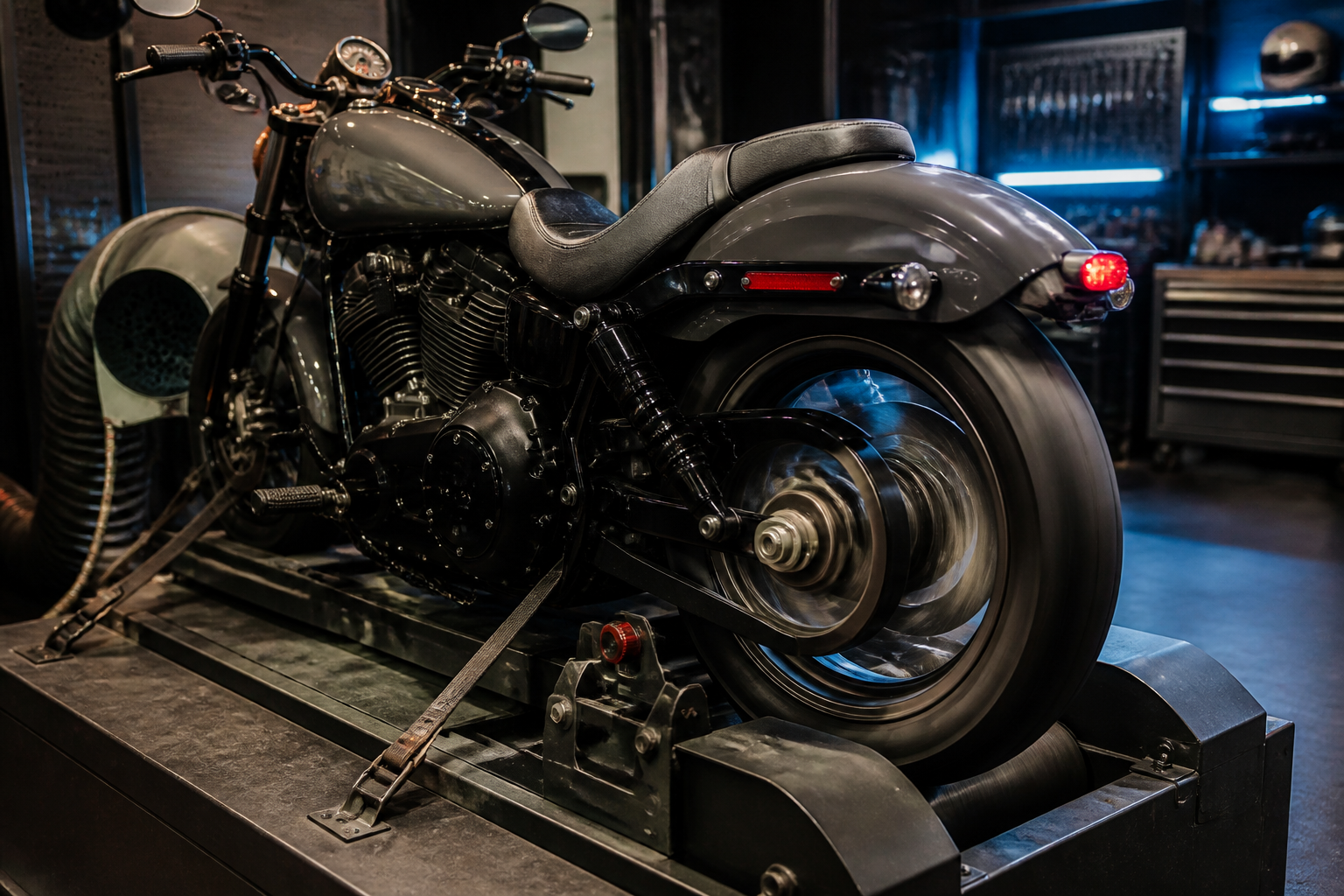
We build stage kits as complete, tuned packages, not parts installs. Every stage past a basic breather gets dialed on our in-house dyno so the fueling and timing match the exact combination on your bike, and we tune for Miami reality — heat and traffic — not just a peak number to brag about. That build-it-right philosophy is the backbone of our Miami service department, and it's why riders trust us with their engines. Bought the bike at another dealer, or have parts from three different shops already? Doesn't matter — we service any motorcycle and we'll make the combination work.
From a breathing Stage 1 to a big-bore Stage 3, we build and tune the full ladder — plus the supporting work that keeps the power reliable. Here's the range.
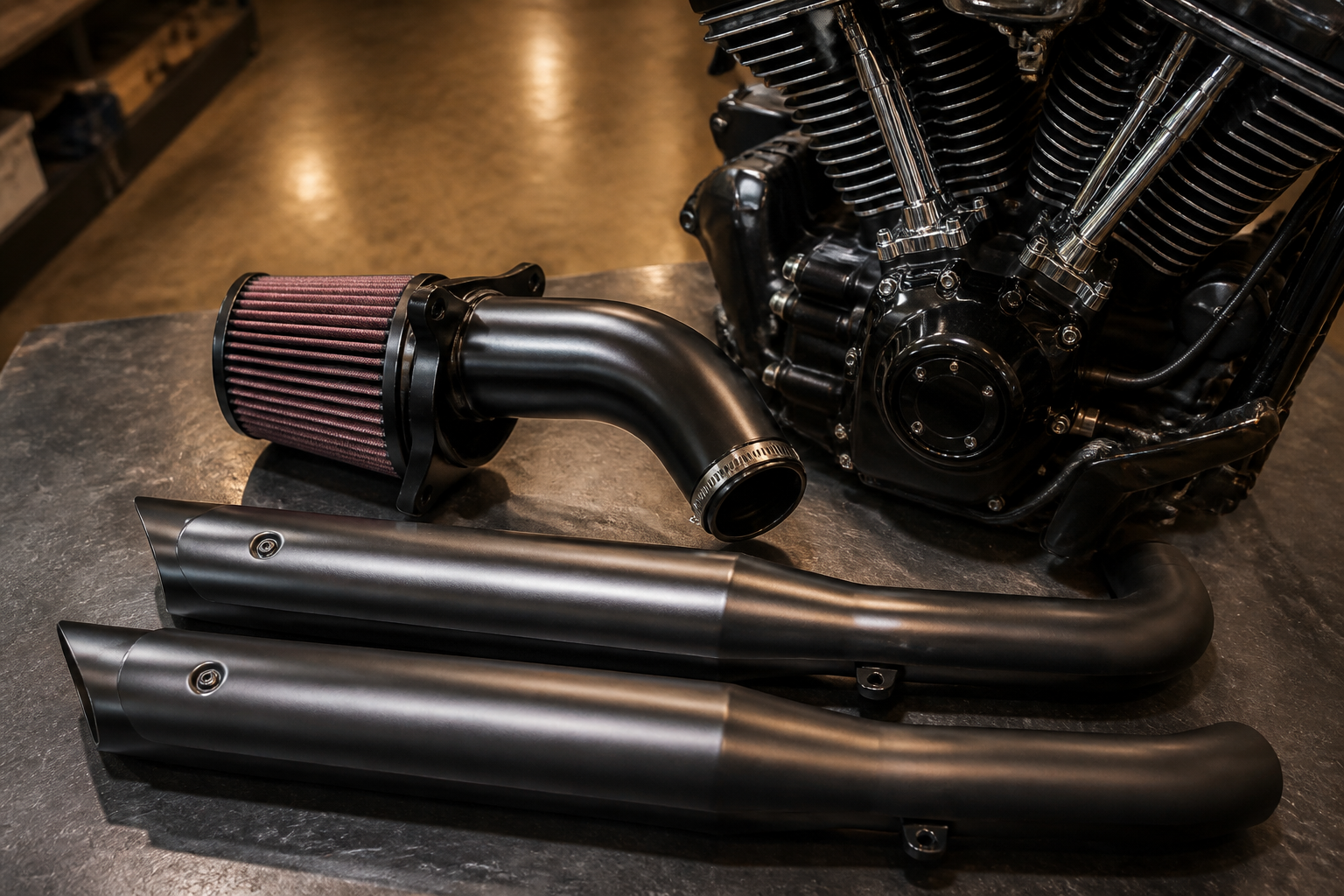
High-flow intake, an exhaust, and a dyno tune. The foundation — it wakes the bike up, runs cooler than a bolt-on with no tune, and sets up every stage after it.
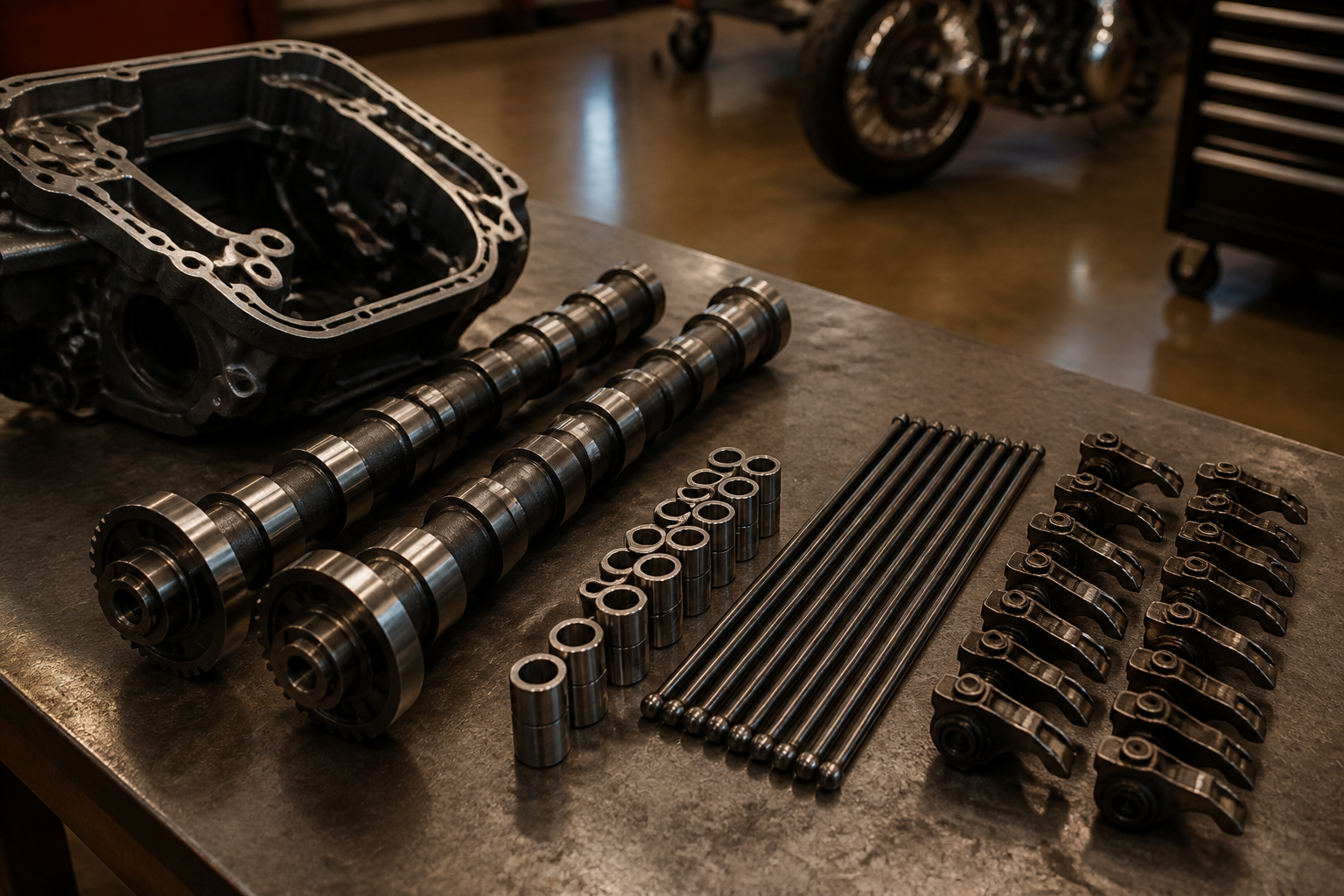
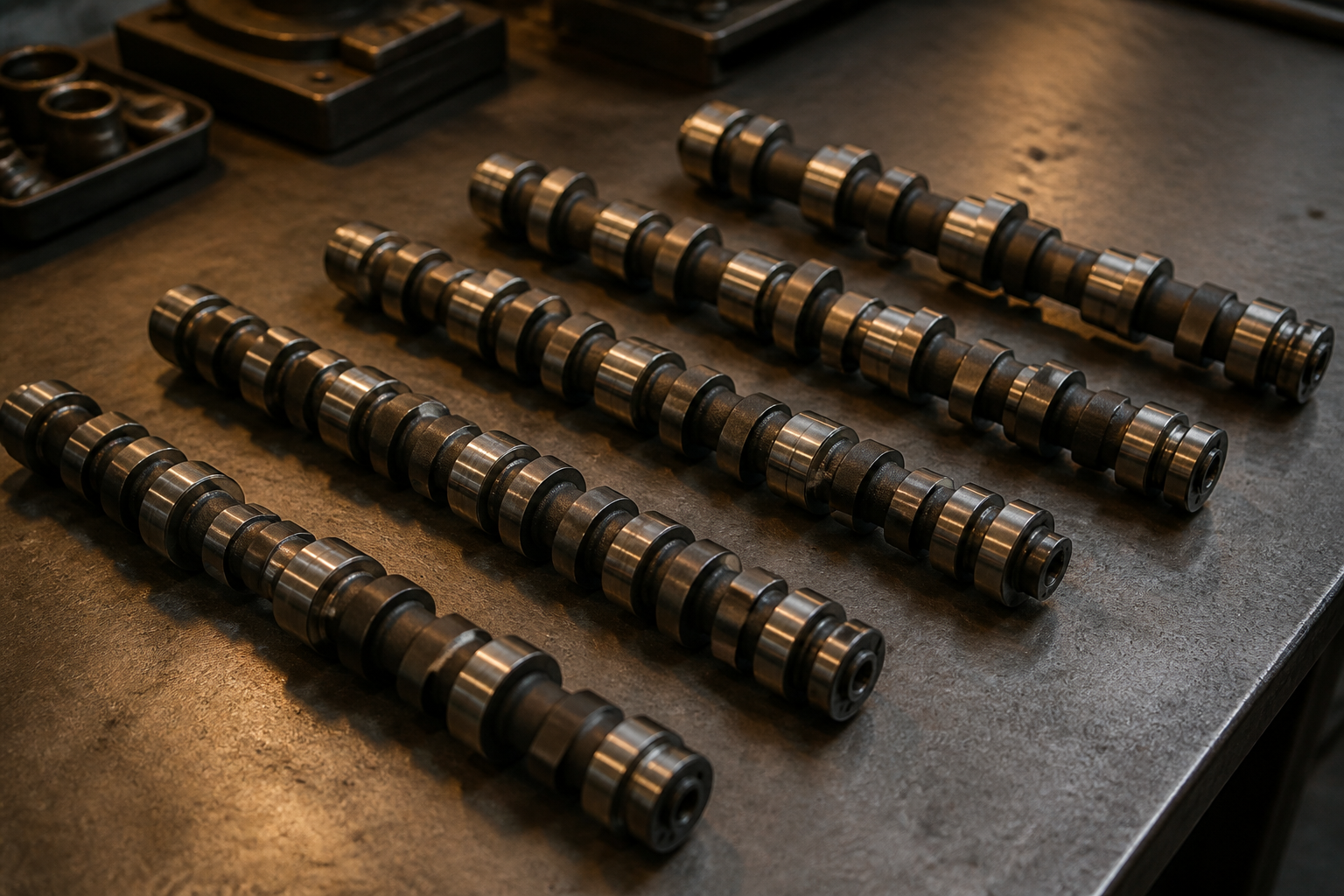
Performance cams and related valvetrain work with a mandatory dyno tune — the classic torque jump that transforms how a Harley rolls on in traffic and out of corners.
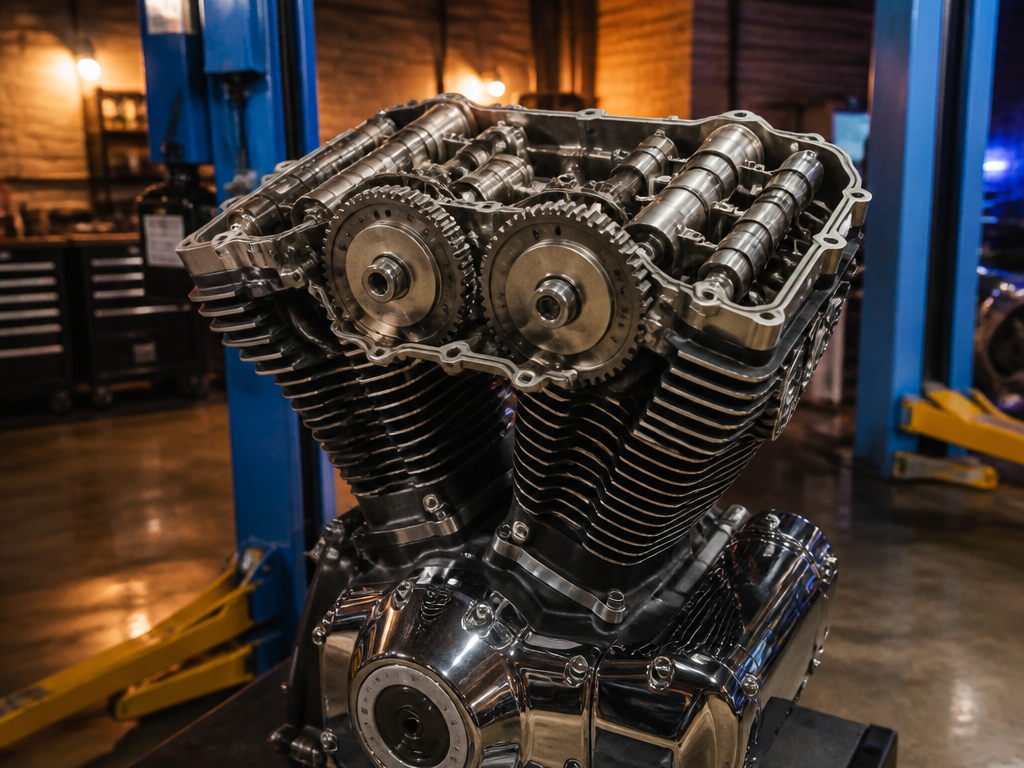
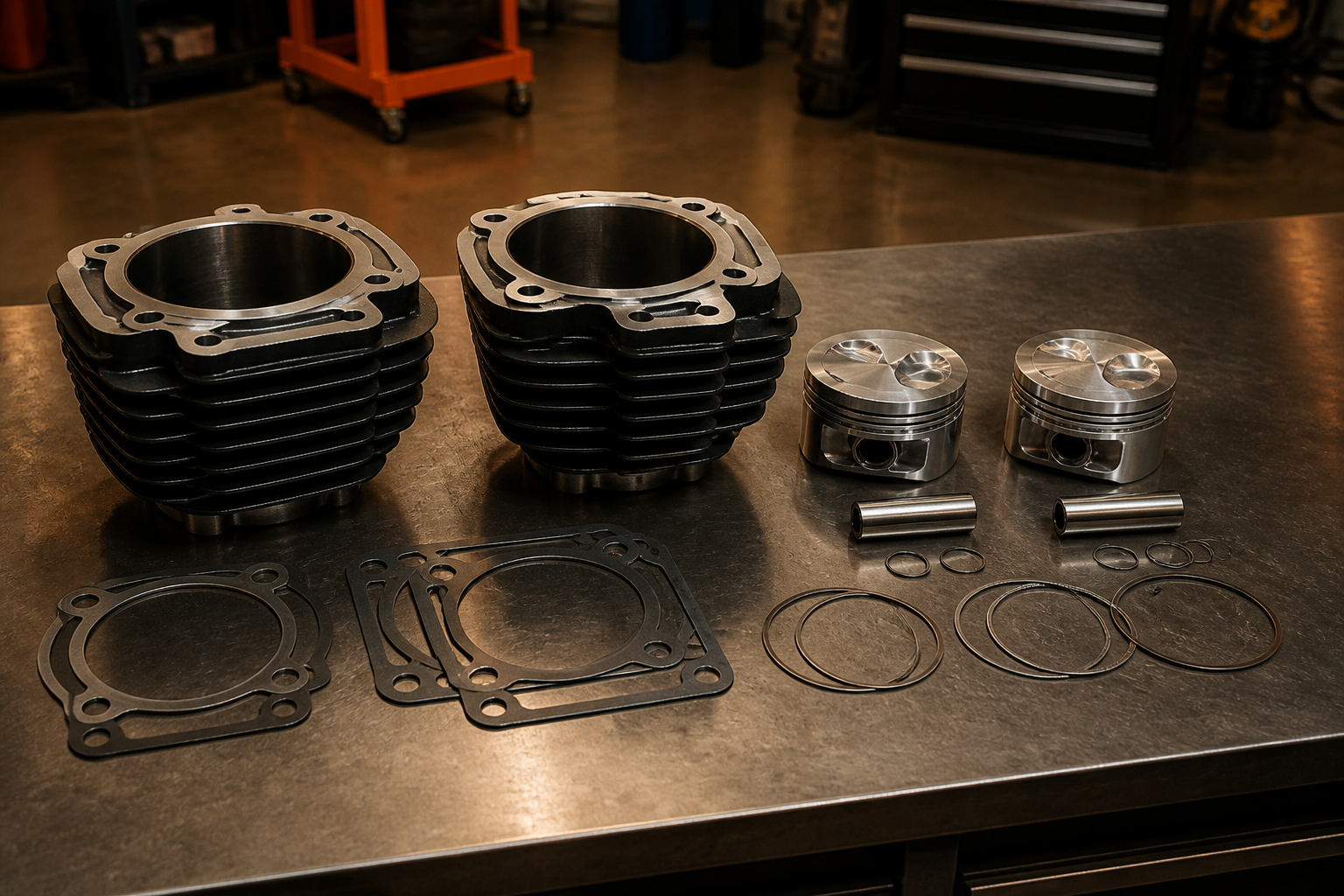
Bigger displacement through bore or stroke for maximum output — a serious engine build with the machining, assembly, and tuning to back it. The top of the ladder, done right.
Torque cams for rolling grunt or higher-lift cams for top-end — matched to your engine, riding style, and the rest of the build so the parts complement each other.
Every build finishes on the dyno — fueling and timing dialed, AFR verified, and heat managed. This is the step that makes the parts actually deliver.
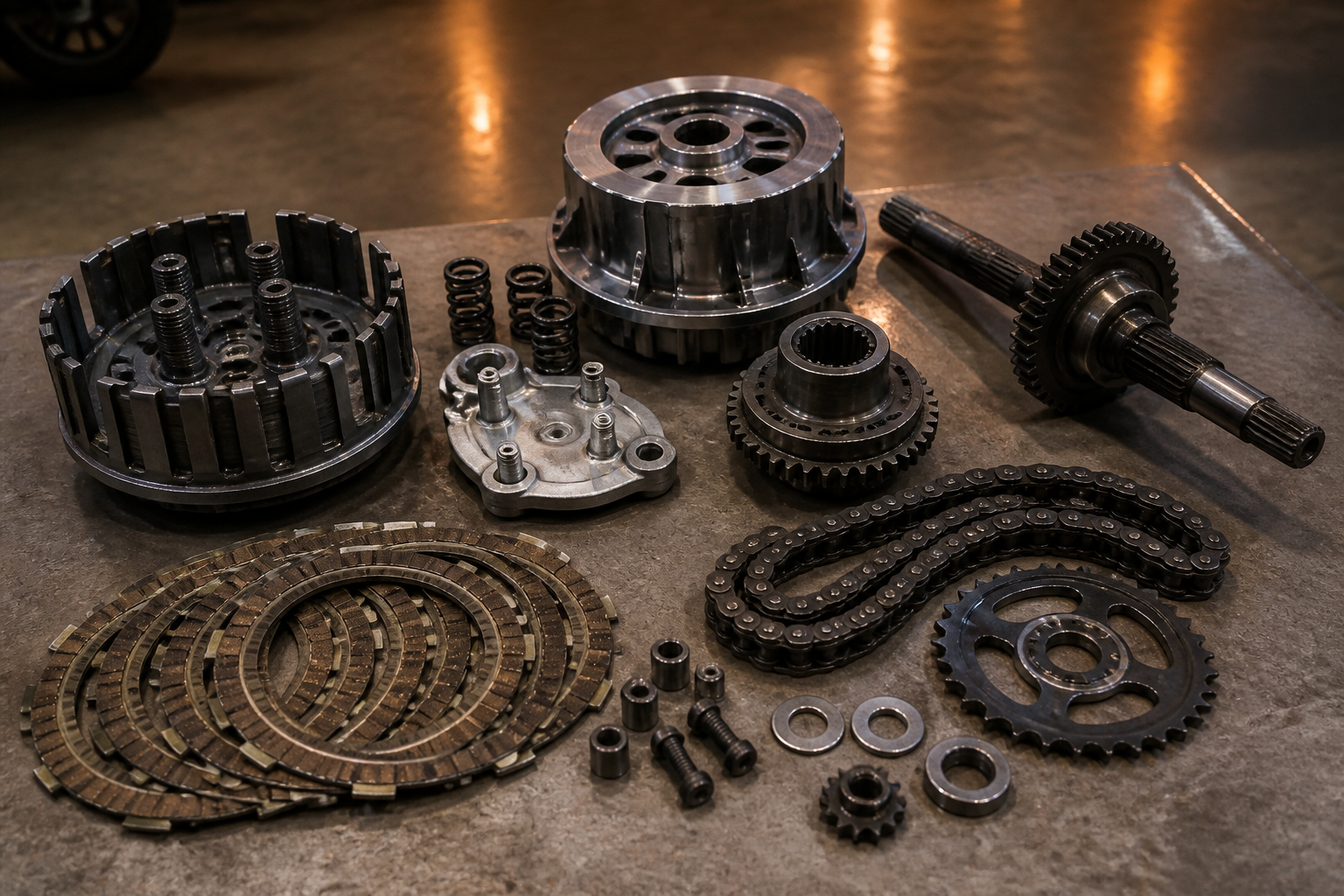
Bigger power needs a driveline that can hold it. We add clutch and supporting upgrades where the build calls for it — often as part of a full bagger build.
The right stage depends on what you want out of the bike and how far you want to go. For most riders, a properly tuned Stage 1 is the sweet spot — it makes the bike noticeably better everywhere, runs cooler than stock in traffic, and costs the least. If you want a real, unmistakable torque increase and you're committed to the tune, Stage 2 cams are the classic upgrade that changes the whole character of the engine. Stage 3 is for riders chasing maximum output who understand they're building a serious engine.
Bike and use matter as much as budget. A touring bike or bagger that hauls two-up wants torque cams and heat control; a lighter cruiser can be built for a punchier feel. The one rule that never changes: don't skip the tune to save money, and don't buy Stage 2 parts you won't tune. We'll look at your bike, your riding, and your goals and build the stage that actually fits — planning the exhaust and supporting parts in the right order so nothing gets tuned twice.
A little V-twin vocabulary makes stage-kit decisions far clearer — and helps you spot a shop that builds versus one that just bolts on.
Harley's naming: Stage 1 is breathing (intake, exhaust, tune), Stage 2 adds cams, Stage 3 adds displacement. The numbers describe how deep into the engine the build goes.
Cam profiles trade low-end grunt against high-rpm power. Most Harley riders want torque cams for real-world roll-on; the right pick depends on your bike and how you ride.
The engine family matters — M8 and Twin Cam take different parts and tuning. We build both, and the right stage-kit components are specific to your platform and year.
Big bore increases cylinder diameter; a stroker increases the crank stroke. Both raise displacement — the heart of a Stage 3 — and both require proper machining and assembly.
A Power Vision, Screamin' Eagle tuner, or equivalent lets us load a custom dyno map. It's the mandatory link that makes cams and displacement actually work — never optional past Stage 1.
Air-cooled V-twins run hot, and Miami makes it worse. A good tune and the right parts control heat; an oil cooler is often smart on a bigger build ridden in traffic.
A stage kit is an engine build, not a parts swap — and treating it like a swap is where riders get burned. Here's the difference between a built bike and a bolted-on one.
Air-cooled V-twins and Miami are a demanding combination, and it shapes how we build every stage kit here. A big-inch Harley makes a lot of heat, and our climate gives it nowhere to dump it — 90-plus degrees, brutal humidity, and stop-and-go traffic where there's no airflow over the cylinders. A stage kit built and tuned for a temperate state can turn a Miami Harley into a leg-roasting, heat-soaking machine that's miserable in exactly the traffic you ride in most. That's why we tune conservatively on fueling to keep the engine cooler and often recommend heat-management steps that a shop up north wouldn't think about.
How Harleys get ridden here matters too. This is cruiser and bagger country — long causeway runs, two-up trips to the Keys, weekend rides down A1A, and a lot of low-speed city miles where torque, not top-end, is what you actually feel. So we build for real-world roll-on and rideability, favoring torque cams and a tune that makes the bike better everywhere you use it, not a peak dyno figure you'll never touch on the street. And because salt air is always working on a coastal bike, we use quality hardware and pay attention to corrosion on a build meant to last. The result is a Harley that's genuinely faster and more fun to ride in Miami's specific conditions — not just louder and hotter. Building for where the bike actually lives is the whole point.
Match the stage, cams, and parts to your bike, riding, and goals.
Install intake, exhaust, cams, or displacement work to spec.
Dyno-tune the finished combination — fueling, timing, AFR, and heat.
Prove the gain with data and confirm real-world manners before pickup.
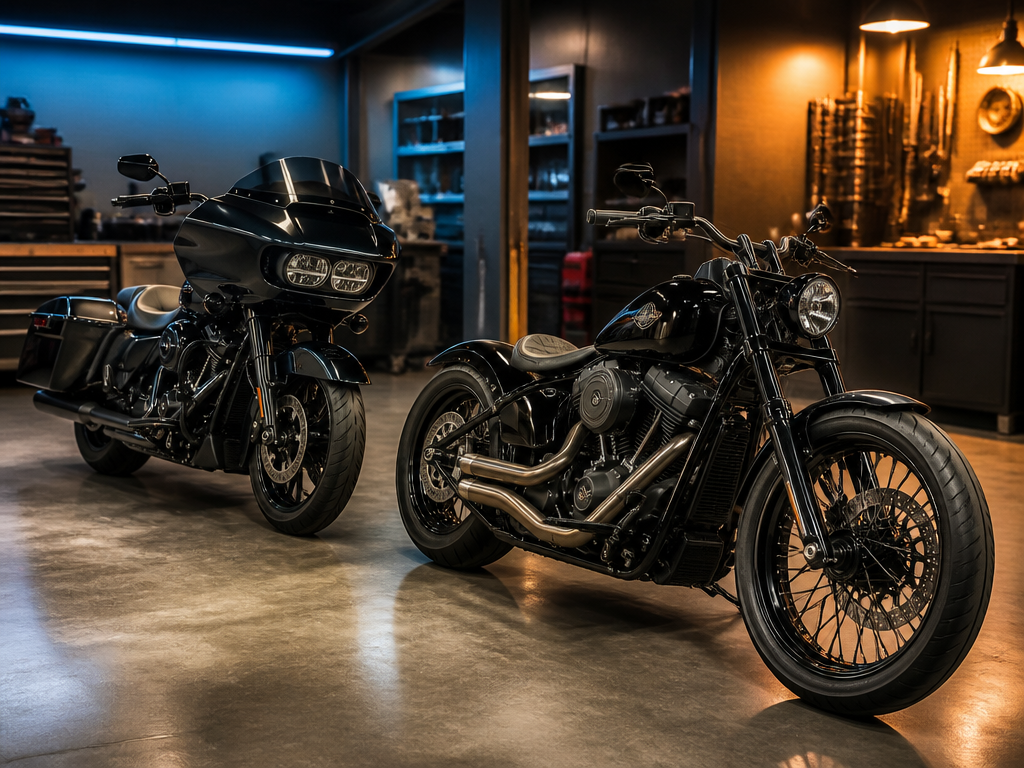
We build and tune stage kits on any Harley — any dealer of origin, any parts already on it.
"Stage 2 on my M8 Street Glide — torque cams and a real dyno tune. The roll-on is unreal now and it runs cooler in traffic than it did stock. They showed me the dyno sheet too."
— Frank D., Miami Lakes
"Another shop did a Stage 1 that ran hot and stumbled. These guys re-tuned it on the dyno and it's a different bike. Should've come here first — they actually know Harleys."
— Ray G., Hialeah
Stage 1 is a high-flow intake, exhaust, and a tune — the breathing upgrade. Stage 2 adds performance cams (and usually related valvetrain parts) with a mandatory dyno tune for a big jump in torque. Stage 3 is bore or stroke work — bigger displacement — for maximum output. Each stage builds on the last, and every stage past 1 lives and dies on the tune behind it.
Yes, we strongly recommend it. A Stage 1 changes how much air the engine moves, and running it on the stock map leaves it lean and hot — which on an air-cooled Harley in Miami is exactly what you don't want. A proper dyno tune is what turns a Stage 1 from "louder" into real, cooler-running power. Stage 2 and above absolutely require a tune.
Yes. Stage kit installs are open to any Harley-Davidson, regardless of which dealer it came from. Softail, Touring, Sportster, or Dyna — if it's a Harley you want to make faster, we'll build it. You don't need to have bought the bike or the parts from us to get the work done to a proper standard. Plenty of our stage-kit customers came to us after a dealer or another shop left them with a bike that ran hot or never made the power they paid for.
Typically a few days, including the cam install, related valvetrain work, and the dyno tune and verification that make it all work. We don't rush a cam job or a tune — getting the fueling and timing right on the finished combination is the whole point — so we'll give you an accurate window when you book based on your exact build.
It depends on your engine size, cam choice, and supporting parts, but a well-built Stage 2 on a modern Milwaukee-Eight delivers a substantial, very noticeable gain in torque right where a Harley uses it — rolling on in traffic and out of corners. We tune for real-world rideability and heat, not just a peak dyno number, so the bike is genuinely better to ride, not just bigger on paper.
It can, depending on your warranty type, mileage, and which parts you use. Harley's own Screamin' Eagle parts behave differently than third-party components where coverage is concerned, and modifications generally aren't covered even when scheduled maintenance is. We'll walk through exactly what applies to your situation honestly before any work begins, so there are no surprises.
A stage kit rarely stands alone. The dyno tune is the step that makes it deliver, a matched exhaust system is usually part of the package from Stage 1 up, and for riders going all-in it's often one chapter of a full custom bagger build where the engine, sound, and style come together.
Based on Biscayne Blvd in Miami's MiMo corridor, we build and tune stage kits for riders throughout Miami-Dade.
Book a Stage 1, 2, or 3 build in Miami — parts matched, dyno-tuned, and set up for real torque and controlled heat.
Book Your Build