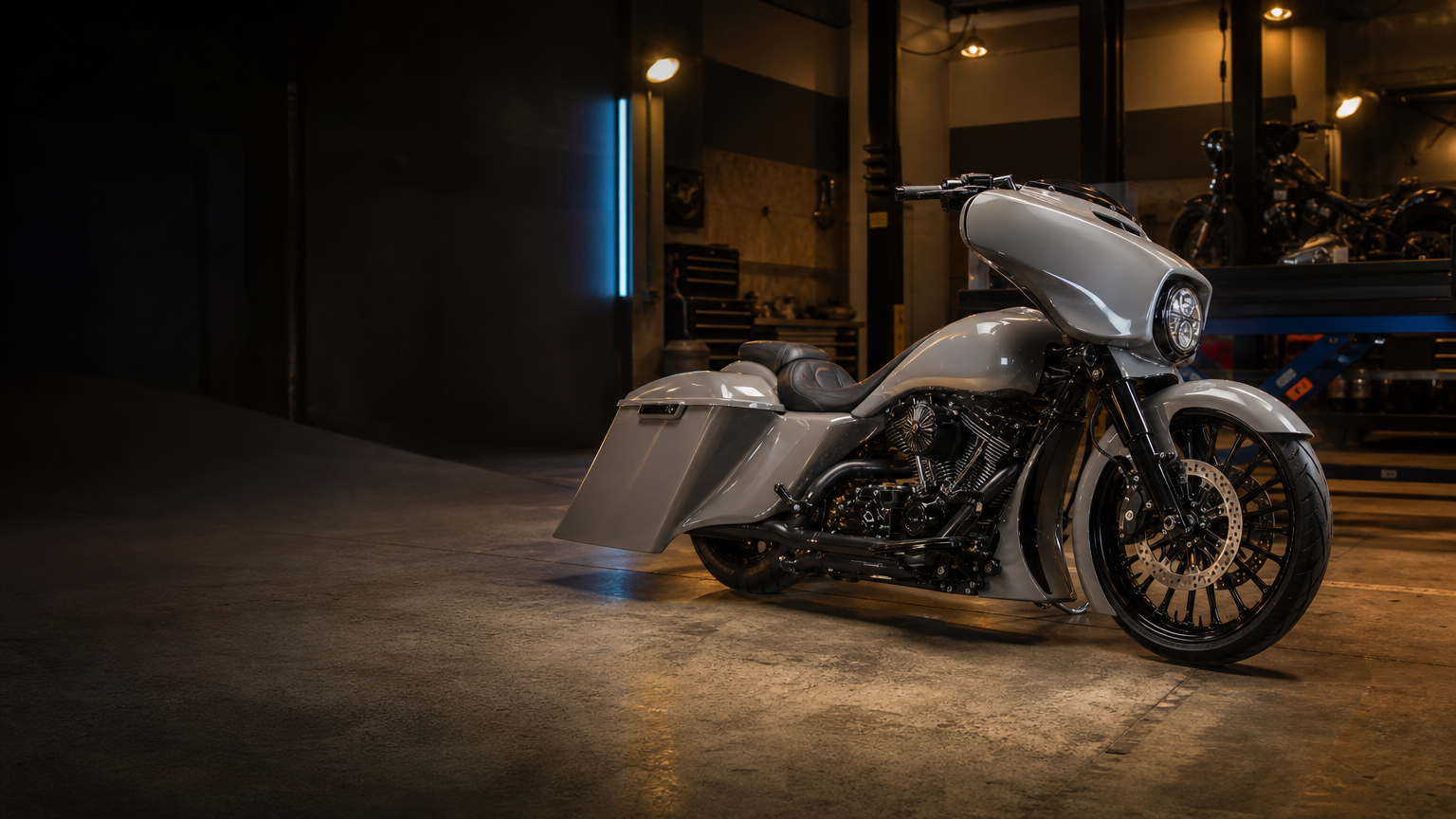
Stage Kits · Cams · Audio · Baggers
Cruiser & Bagger Service & Builds in Miami
Stage kits, cam builds, audio baggers, and full customs — built and tuned by people who actually ride them, on any Harley or Indian, bought here or anywhere.
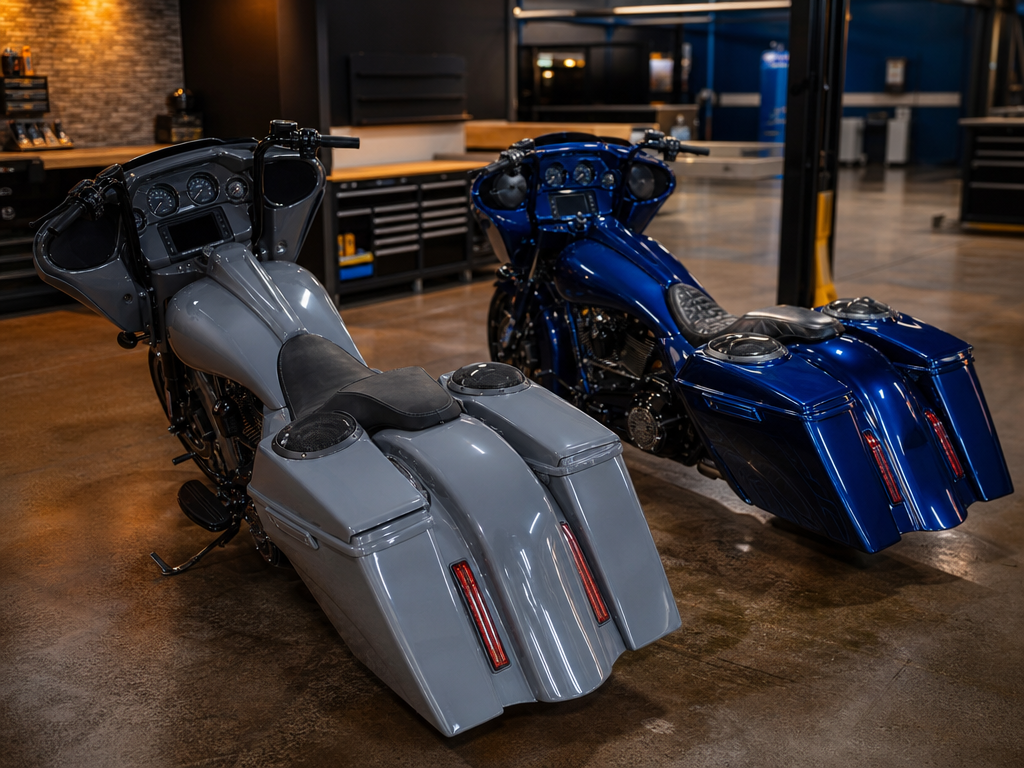
Drive down Ocean Drive or roll through a Sunday bike night in Homestead and you'll see it: Miami runs on baggers. Stretched bags, loud audio, big front wheels, blacked-out or candy-painted, and every one of them wants to make more power and turn more heads than the bike next to it. This is one of the strongest cruiser and bagger markets in the country, and the people riding these bikes don't want a service writer who's never twisted a throttle — they want a shop that gets why the build matters.
That's the side of the shop we built here. We run Harley stage kits, cam and top-end work, audio, suspension, and full custom bagger builds in-house, tuned on our own dyno — not shipped out to three different specialists who each blame the other when something's off. And we do it on any Harley or Indian, whether you bought it from us or dragged it in from another shop that couldn't get the tune right. That's the whole point of our Miami service department: full capability, fair rate, no runaround. Didn't buy it here? Doesn't matter — we service any motorcycle.
A bagger build is a stack of specialties — engine, audio, suspension, paint — and the shop that runs them all under one roof is the shop that can make them work together. Here's the full menu we run for cruisers and baggers, and what goes into each.
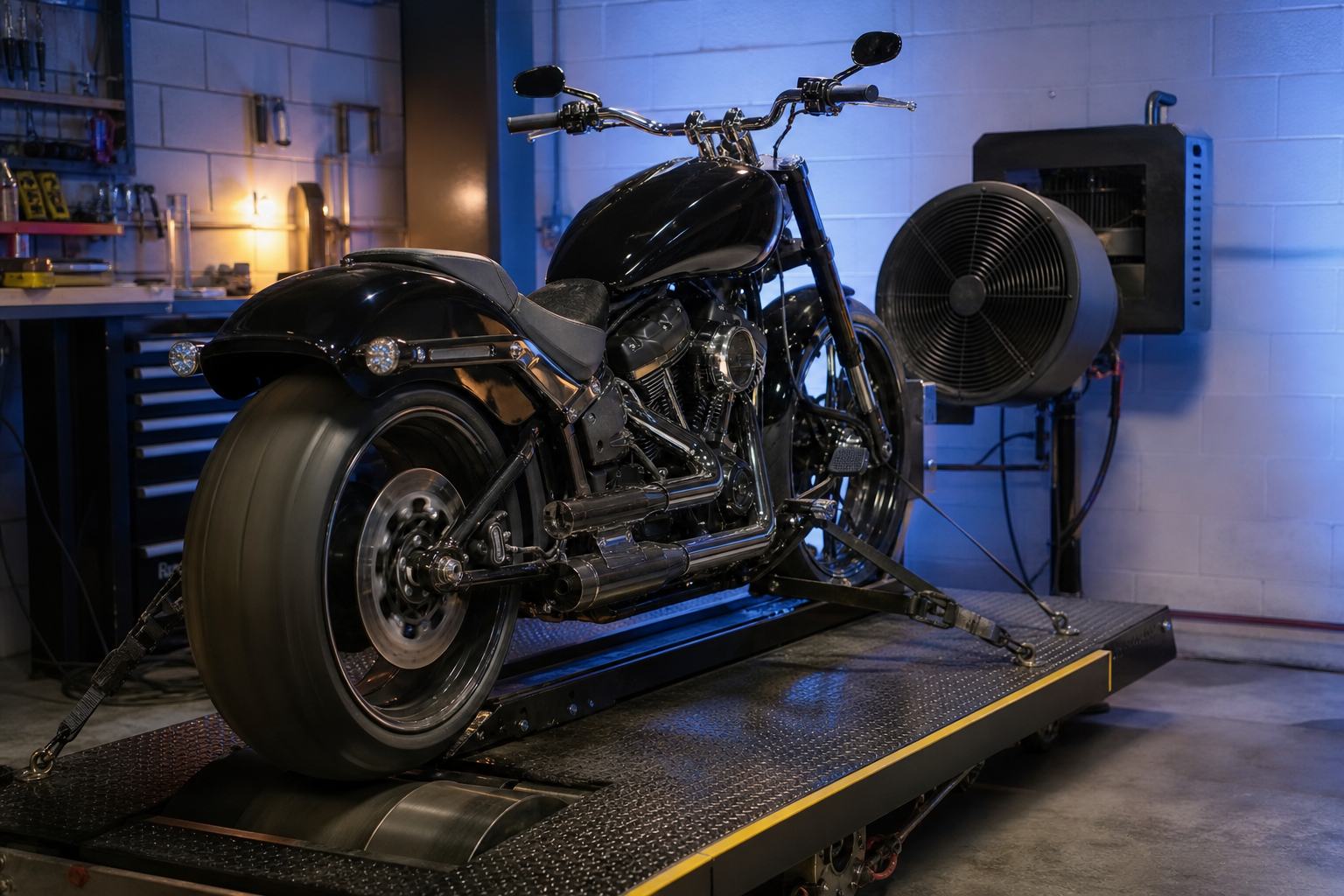
From a Stage 1 intake-and-tune to a full Stage 4 big-bore, we build the combination that fits how you ride and dyno-tune it for Miami heat. See our Harley stage kits for the full Stage 1/2/3/4 breakdown.
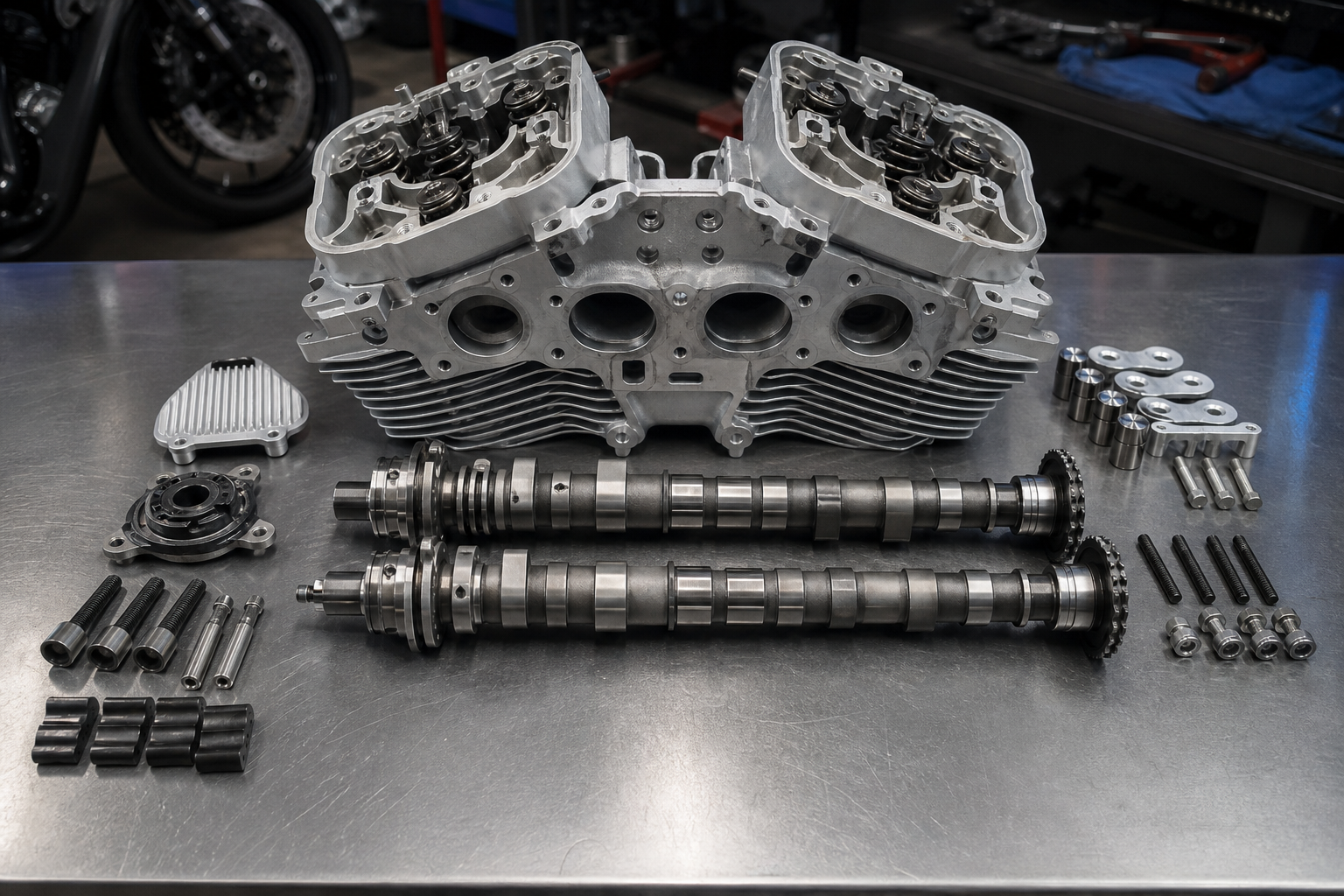
Cams, heads, and top-end work are where a Milwaukee-Eight or Twin Cam really wakes up. We spec the cam to your build and riding — torque for two-up touring or top-end for a lighter bagger — and cut heads to match.
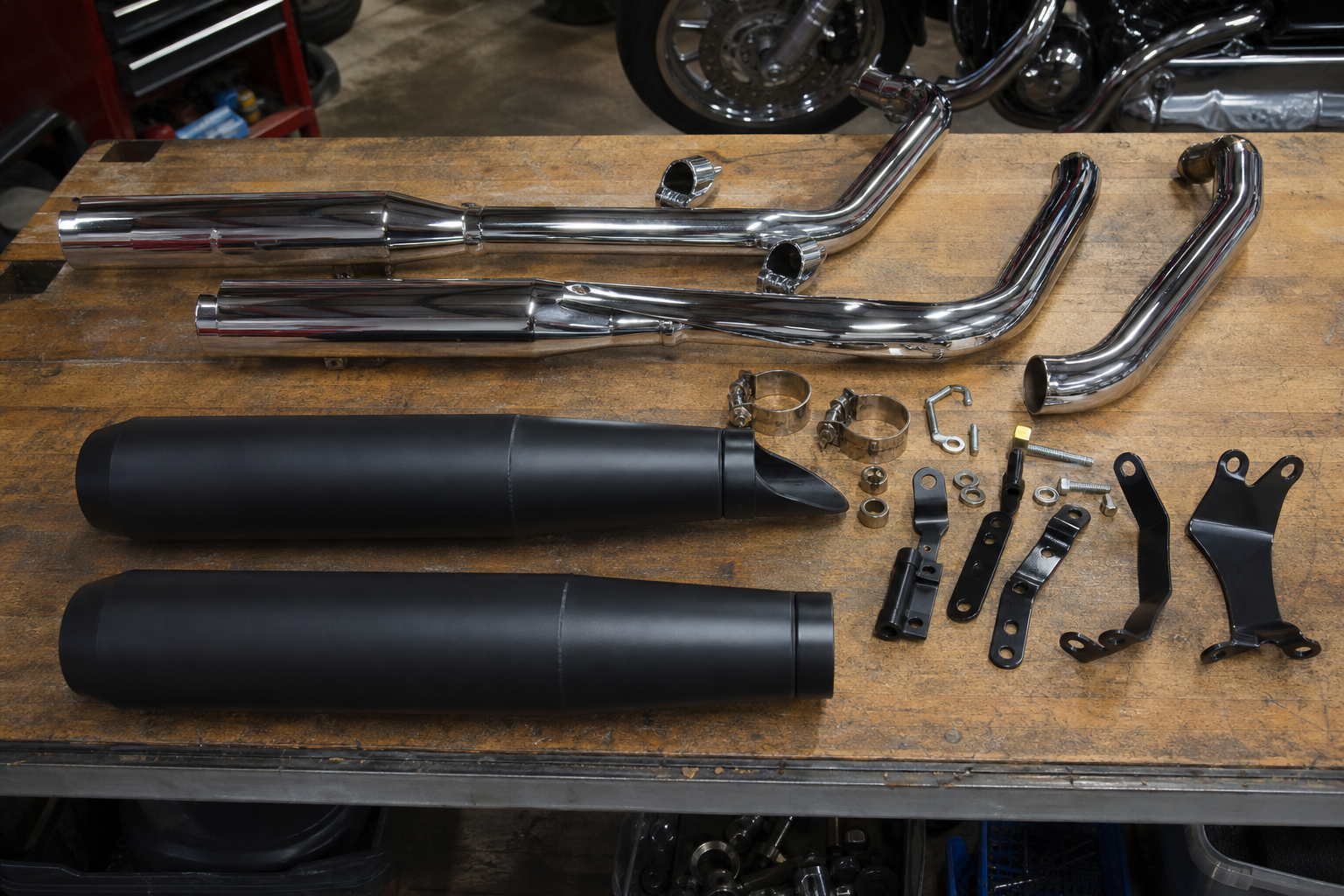
A 2-into-1 or slip-ons plus a high-flow intake is the foundation of any stage build. We fit the exhaust system and tune the fueling together so it sounds right and runs right, not lean and hot.
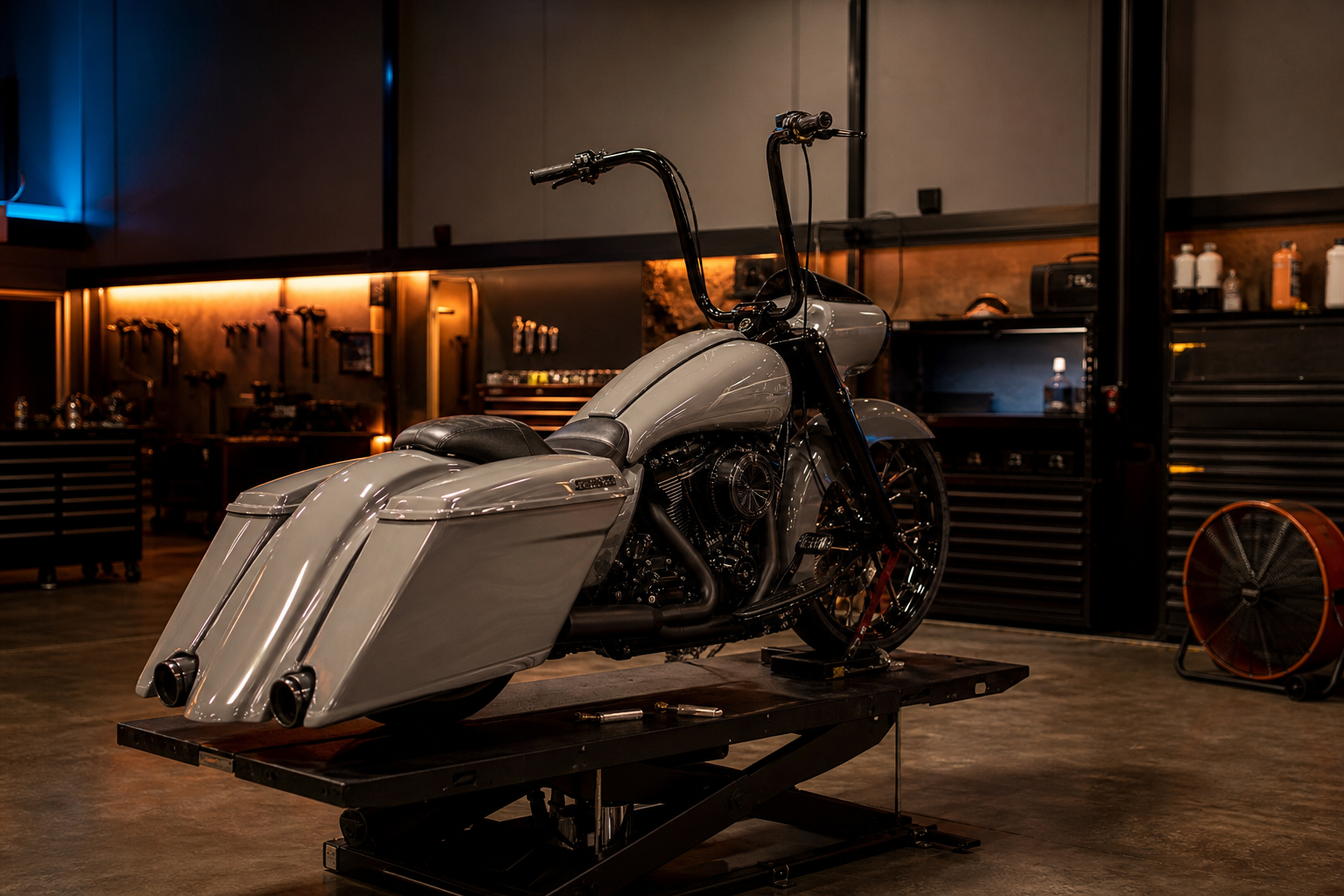
Bars, bags, wheels, paint — the full custom. We do tall-bar and apehanger conversions with the correct extended lines, stretched bags, and color-matched paint. See custom bagger builds.
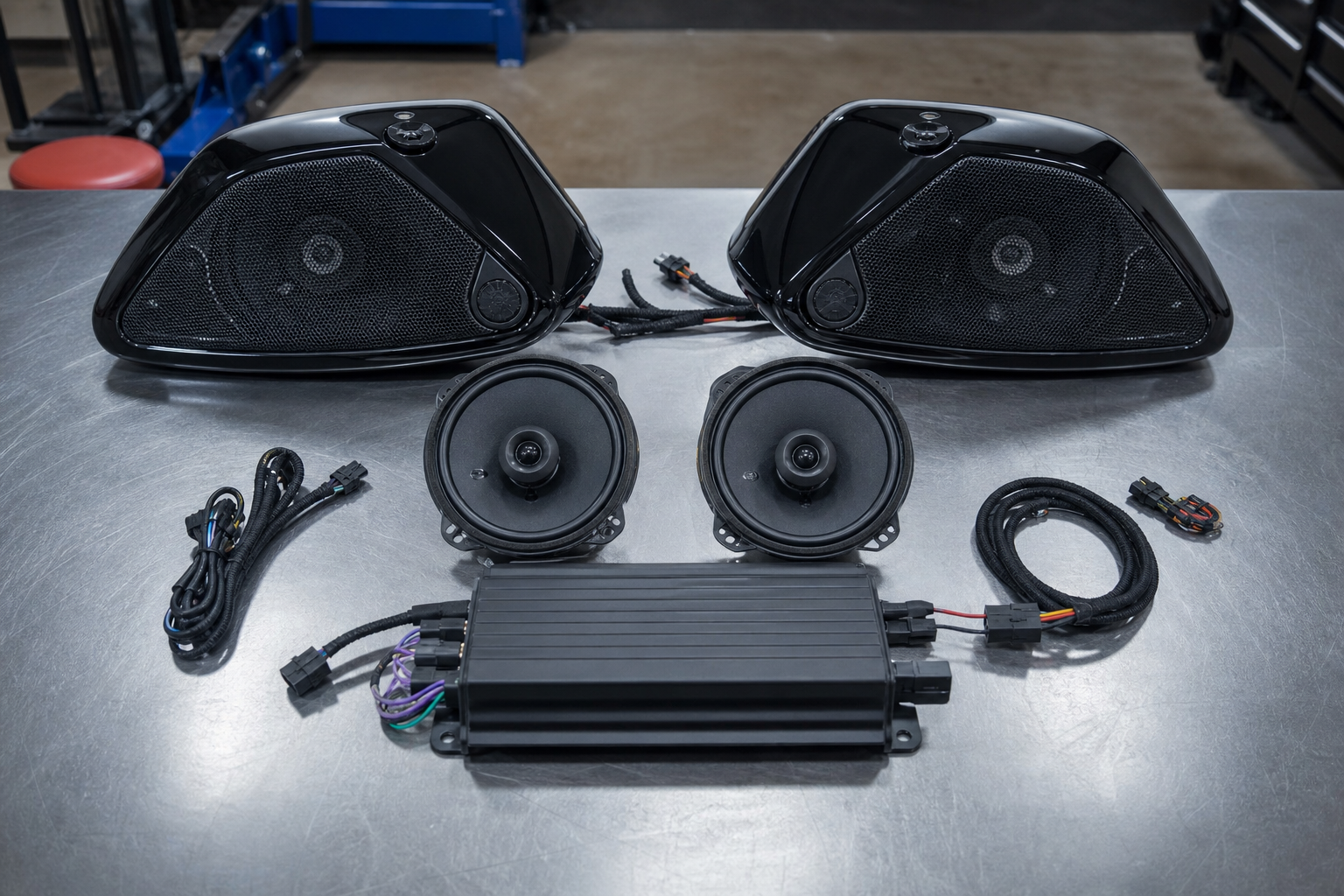
Speaker-lid conversions, saddlebag speakers, amplifiers, and head units — wired and weatherproofed to survive Miami heat and humidity. Clean installs that stay tight, not a rattling hack job.
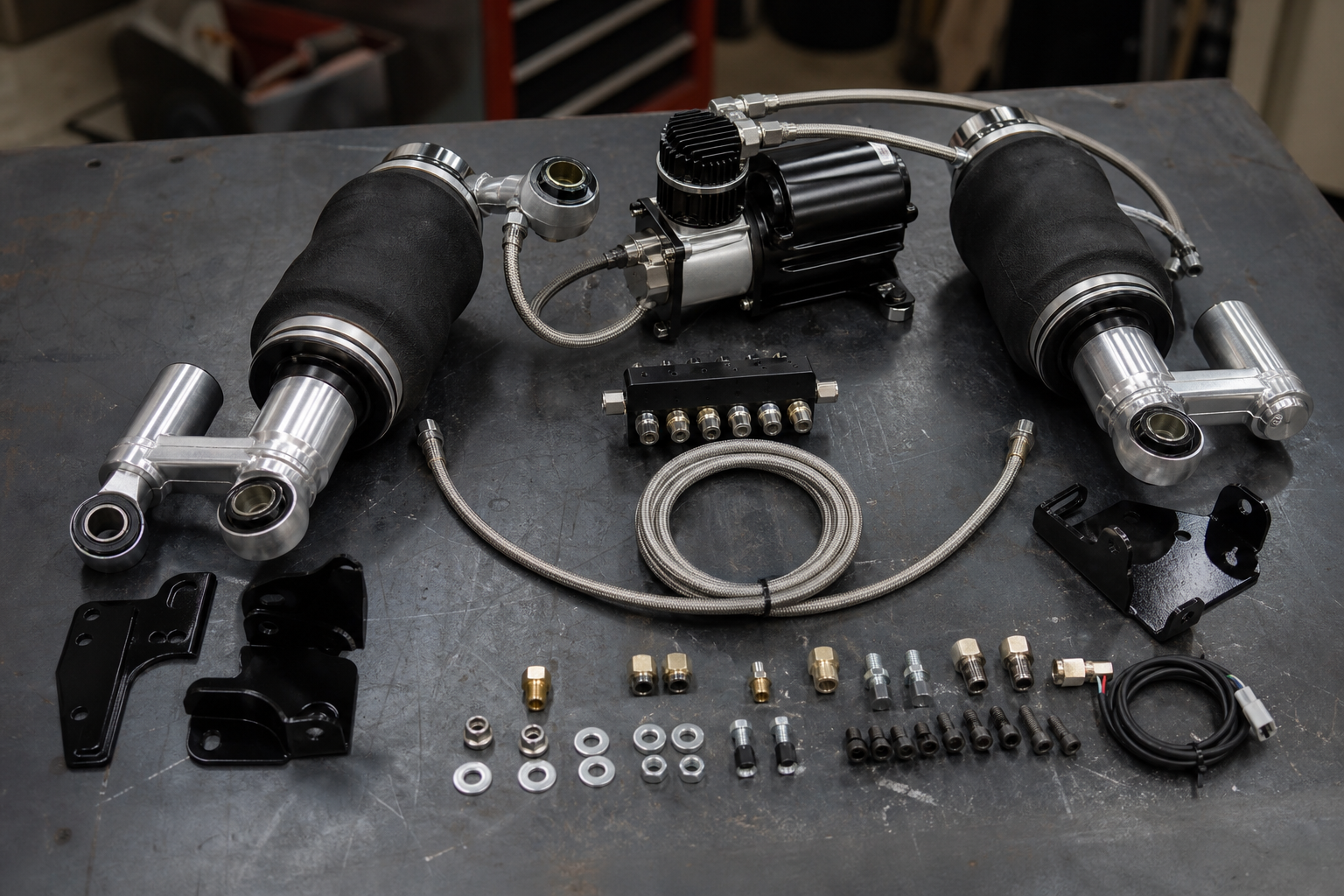
A loaded bagger works its suspension hard. We handle suspension service, lowering, and air-ride kits so the bike carries a passenger and bags without wallowing or bottoming out.
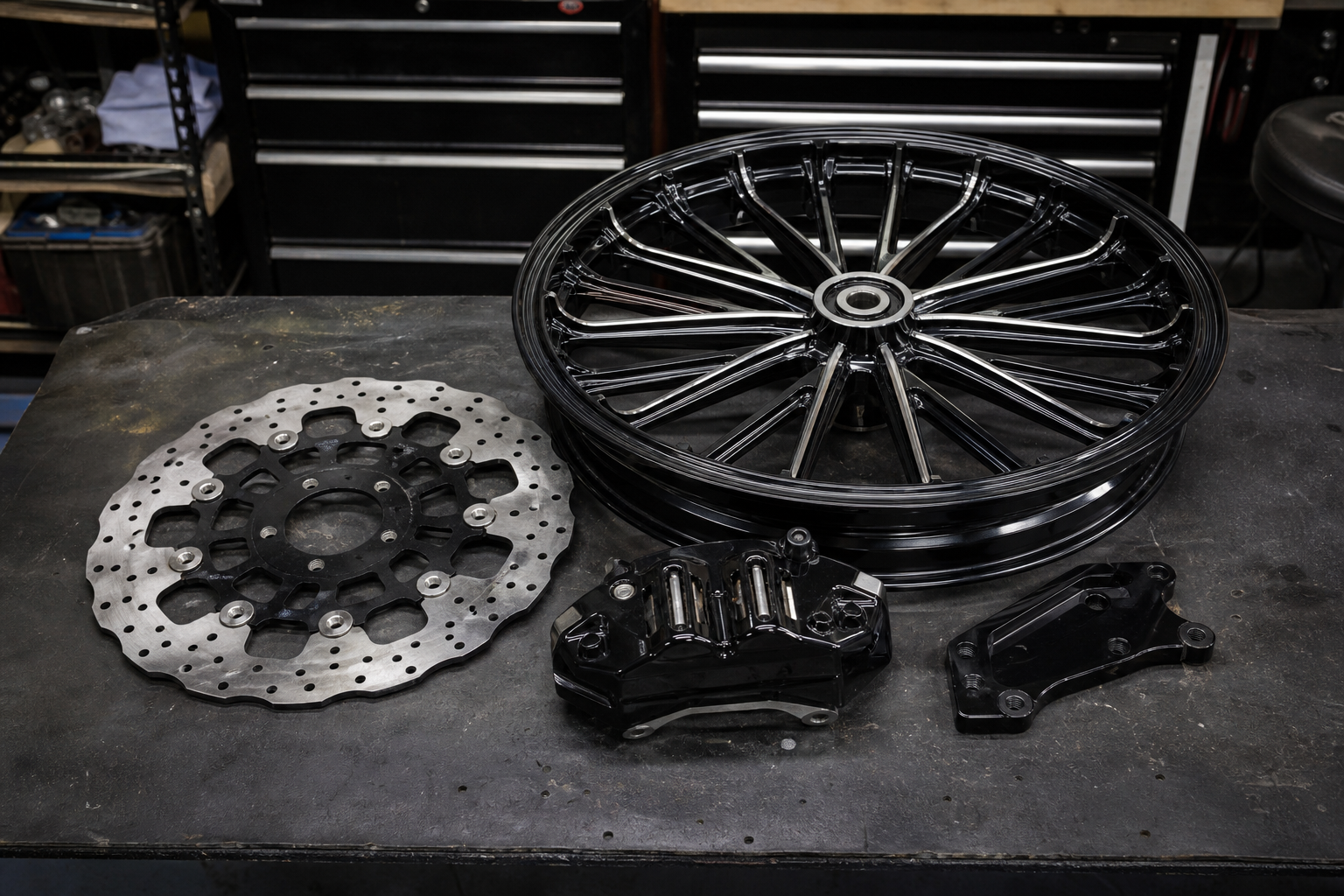
Big front wheels and heavier builds demand more brake. We do brake service and upgrades — bigger rotors, better pads, braided lines — and the geometry work a 21" or 26" front wheel conversion requires.
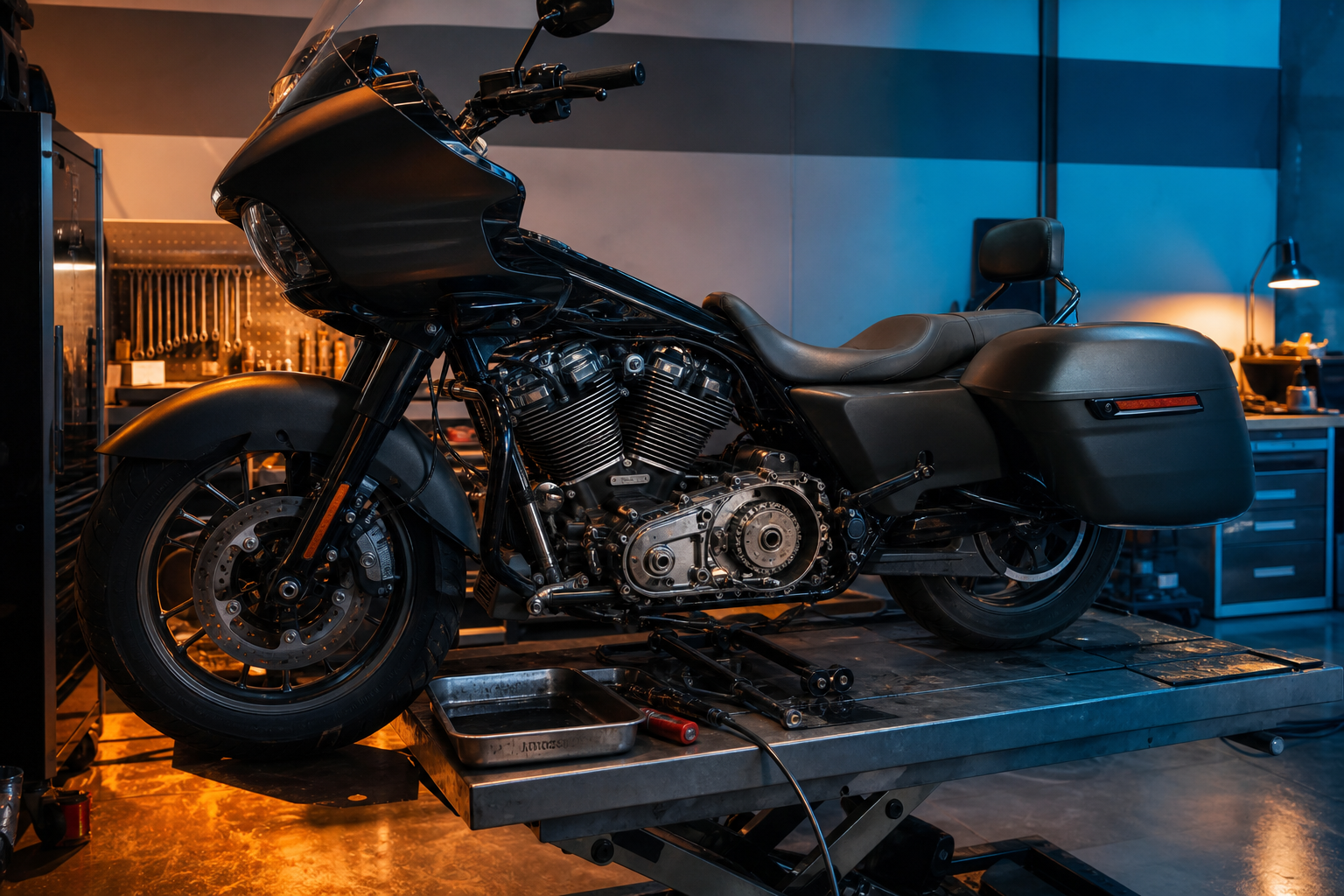
Primary, transmission, and engine oil, cam chain tensioners, and the full major-service intervals that keep a high-mileage cruiser alive. See maintenance and major service.
Cruisers and baggers are built around torque, comfort, and presence. A big V-twin makes its power down low where you actually ride it, the riding position is made for long days and longer distances, and the platform is a canvas — few bikes reward personalization like a bagger does. That's why they're the heart of American motorcycling and the center of Miami's scene.
But that same character sets the service agenda. All that torque and weight works the drivetrain, the brakes, and the rear suspension hard, especially two-up with loaded bags. The heat these big twins make matters double in Miami. And the endless appetite for more — more power, more sound, more bags, bigger wheels — only pays off when every change is done right and tuned together. Half-built baggers are everywhere; dialed ones are the ones people stop to look at.
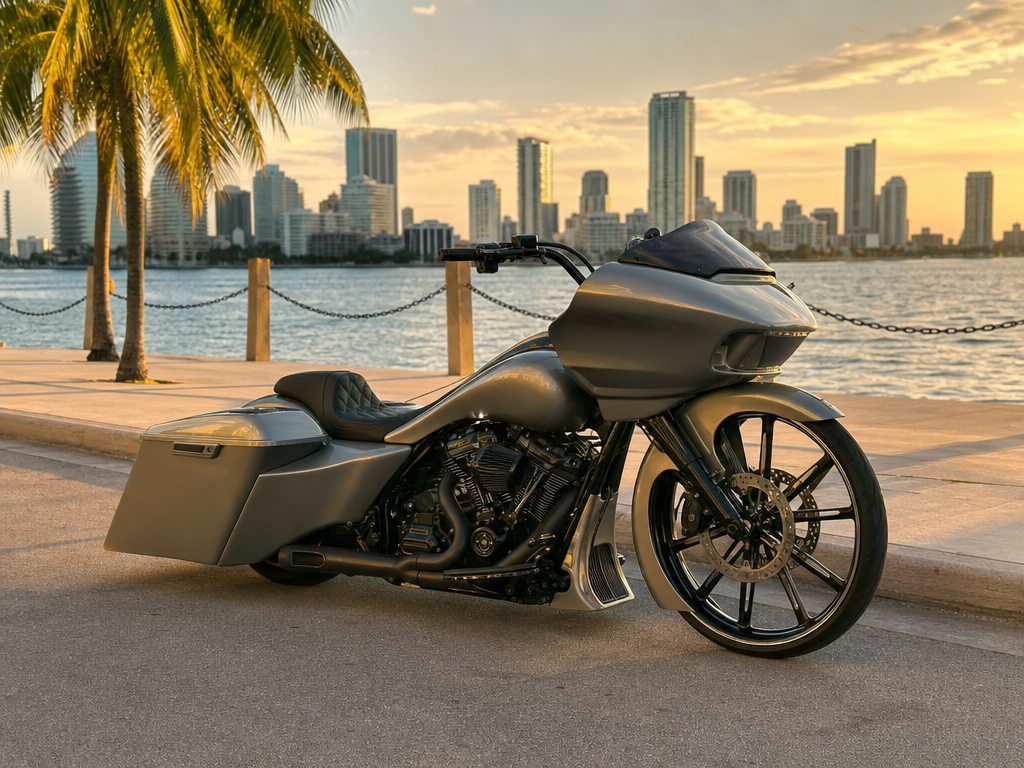
After fifteen years of Miami cruisers and baggers rolling through the door, a handful of issues account for most of the work — and every one is a specific fix, not a vague "it needs something."
The difference between a bagger that turns heads for the right reasons and one that's all show is sequence and tuning. Anyone can bolt on loud pipes; building a bike that makes real power, rides well loaded, and sounds good takes a plan. Here's how we think through a cruiser build, and how you should too before you start spending.
A two-up touring bagger that eats interstate miles wants a different build than a solo boulevard cruiser built for stoplight-to-stoplight torque and sound. Torque cams and gearing for the loaded tourer; a lighter, revvier combination for the solo bike. Getting this straight first keeps you from buying the wrong cam or the wrong wheel and paying to redo it. Tell us how and where you ride and the whole build flows from that.
A cat-back or 2-into-1 exhaust and a high-flow intake are where almost every Harley build starts, and they're worth it. But bolting them on and leaving the stock ECU is the single most common mistake we correct: the bike runs lean, runs hot, and can actually make less usable power than stock in the midrange. Every exhaust and intake change gets a dyno-verified tune here, no exceptions — that's what turns loud into fast.
Adding power, weight, bags, and a big front wheel changes how the bike stops and how it carries a load. A 21" or 26" front wheel changes the geometry and demands brake and sometimes fork work to be safe. A fully loaded bagger needs suspension or air ride that can handle two-up with gear. Skipping this is how a good-looking build ends up handling badly — we build the whole bike, not just the parts you can see.
Audio and paint are the finishing layers — get the mechanical build right first, then make it look and sound the part with a clean, weatherproof audio and paint build. And if you're shopping for a used cruiser to build on, get it inspected before you buy: chrome hides corrosion, and a tired Twin Cam or a neglected primary can turn a "deal" into a project. A pre-purchase inspection tells you what you're really starting with.
Harley and cruiser builds come with their own language. Knowing it helps you talk to any shop and judge whether they actually know the platform. Here are the terms that come up most.
Harley's shorthand for performance levels. Stage 1 is intake, exhaust, and a tune; Stage 2 adds cams; Stage 3 and 4 add big-bore cylinders and head work. The numbers are a rough map — the real build is spec'd to your engine and how you ride.
The two modern Harley big-twin engine families. The Milwaukee-Eight (2017+) runs four valves per cylinder and better cooling; the Twin Cam came before it. Each has its own cam options, tuning quirks, and known wear points — the M8's is different from the Twin Cam's cam chain tensioner.
On many Twin Cam engines, spring-loaded tensioners ride against the cam chains and wear over time. Left too long, they can fail and cause serious engine damage. It's a known service item we check and upgrade to a hydraulic setup on higher-mileage bikes.
Two exhaust approaches. A 2-into-1 merges both cylinders into one pipe for a stronger midrange and a distinct sound; slip-on mufflers swap just the ends of the stock system for a simpler, cheaper change. Which is right depends on your power goal and budget.
Saddlebag "speaker lids" and fairing speakers turn a bagger into a rolling sound system. Done right, they're wired to an amplifier and head unit and sealed against water; done wrong, they rattle, distort, and let humidity into the bags.
Swapping the stock front wheel for a 21", 23", or 26" wheel is the defining bagger look. It changes steering geometry, fender fitment, and braking, so it's a build — not a bolt-on — that includes the fork, brake, and sometimes frame-neck work to do properly.
An adjustable air-spring rear suspension that lets you drop the bike at a stop and raise it for a loaded ride. Popular on show baggers and genuinely useful for two-up touring — but only worth it installed correctly with a reliable compressor and clean plumbing.
The popping on deceleration and the excess heat you feel with an aftermarket exhaust and no tune both come from the same cause: a lean fuel mixture. A proper dyno tune fixes both — it's not just about power, it's about how the bike lives in Miami traffic.
We see the results of the other shops' shortcuts every week, usually when a rider brings us a half-finished build or a bike that "someone tuned" and never ran right. These aren't nitpicks — they're the difference between a dialed bagger and an expensive lesson.
A shop bolts on an exhaust, takes the money, and sends you out on a lean, hot, popping bike that makes less usable power than stock. How we do it: every exhaust or intake change gets a dyno-verified tune, so the bike is faster and safer, not just louder.
A cam picked from a catalog because it "makes big numbers" can gut the low-end torque a loaded bagger lives on. How we do it: we spec the stage build to how you actually ride — torque where you use it, not a dyno-chart number you'll never feel.
A 21" or 26" front wheel bolted on for looks, with the stock brake and no geometry correction, makes a heavy bike stop worse and handle strangely. How we do it: a big-wheel conversion here includes the fork, brake, and fitment work to make it right, not just pretty.
Speaker lids wired with crimps and left unsealed rattle, distort, and let Miami humidity rot the bag. How we do it: proper amplification, clean wiring, and weatherproofing so the audio still sounds right next summer.
It's easy to sell shiny parts and skip the cam chain tensioner, the primary fluid, and the tired suspension underneath. How we do it: we build the bike and keep the fundamentals right — because a show bagger that grenades its top end isn't a build, it's a bill. That's the whole idea of servicing any bike, the right way.
Building and servicing cruisers in Miami is its own discipline. We ride year-round, which means these big twins spend real time idling in South Florida heat and traffic — and a lean stock or half-tuned bike runs hotter than it should exactly where cooling is worst. Managing that heat with the right tune and the right build is half of what keeps a Miami Harley happy, and it's the first thing a shop that doesn't ride here gets wrong.
Then there's the salt. Coastal humidity carries it inland and it hides under all that chrome — corroding fasteners, brake hardware, and electrical connectors while the bike still looks showroom-fresh on the surface. We factor that into every service: quality hardware, dielectric grease on connections, and an eye on the parts salt attacks first. A chrome bagger that's never had its connectors checked is a breakdown waiting for the wrong night.
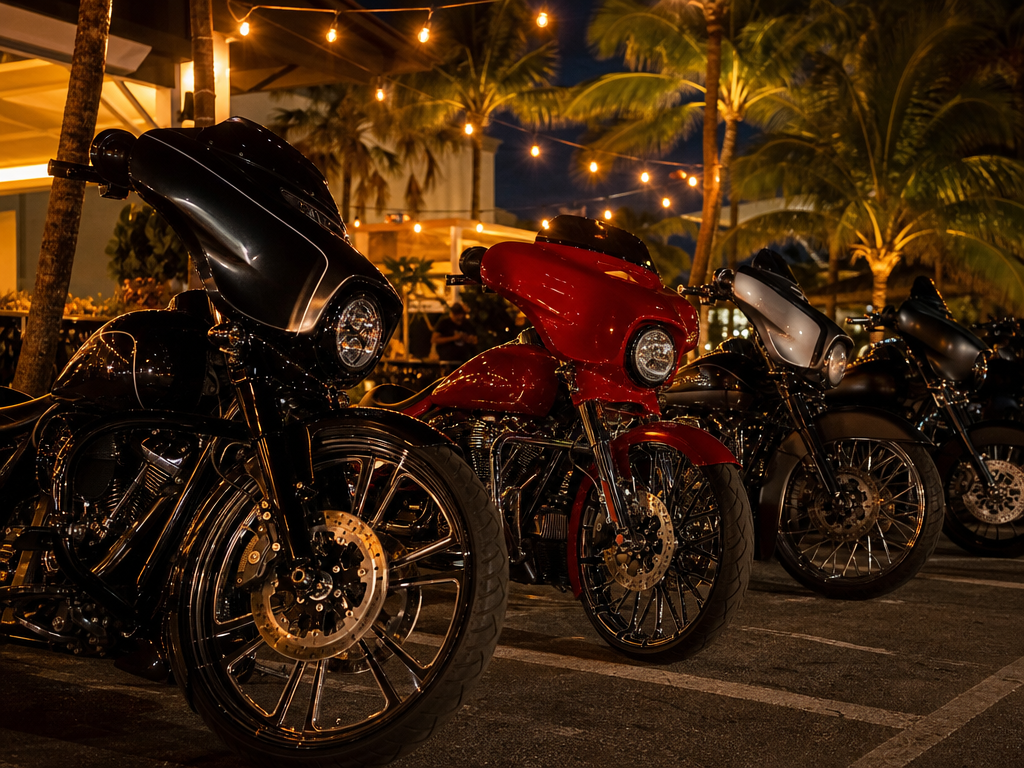
And the scene shapes the work. Miami's cruiser culture runs deep — Calle Ocho, Ocean Drive, Homestead and Hialeah bike nights, the Keys runs down US-1, and a strong custom and show-bagger community that treats these bikes as rolling art. That means our cruiser customers aren't just maintaining transportation; they're building the bike they want to be seen on and ride to Key West on the same weekend. The work has to be reliable enough for the miles and clean enough for the show. That's the standard we build to: a bagger that makes real power, carries two-up in the heat without complaint, sounds the way you want at a stoplight, and still turns over every single morning. Loud is easy. Dialed is the job.
Cruisers put on miles in ways that stress specific systems — the primary, the transmission, the cam chain tensioners on older Twin Cams, and the rear suspension and brakes under a loaded two-up ride. Miami's year-round season and stop-and-go heat mean those intervals come up sooner in real time than a manual written for a four-season climate assumes. Fluids that a northern rider changes over a winter layup don't get that break here.
We keep it honest: we match the schedule to your specific engine — Milwaukee-Eight or Twin Cam — and how you ride, keep records so the tensioners and fluids don't get missed, and tell you what's actually due versus what can wait. The full breakdown of what each interval covers lives on our maintenance and major service page.
You don't build a bagger in one weekend or one invoice. The smart path is staged, where each step is complete and rideable on its own. Here's the path we walk most cruiser owners through.
Intake, exhaust, and a dyno tune — the foundation. Real power, the sound you want, and safe fueling for Miami heat. The highest value-per-dollar step on any Harley.
Cams and supporting parts with a fresh tune, plus suspension and brakes to match the new power and any added weight. Now it pulls and stops like a built bike.
Big-bore power, a big front wheel, stretched bags, audio and paint — the complete custom. A bike that's dialed to ride and finished to show.
Not sure where to start or what your budget really buys? That's the conversation we have every day — tell us the bike and how you ride, and we'll map the honest version, not the maximum invoice.
We service the full cruiser and bagger landscape, from classic Softails to full-dress Indians. These are the core platforms we know inside out — each with its own service page covering model-specific work.
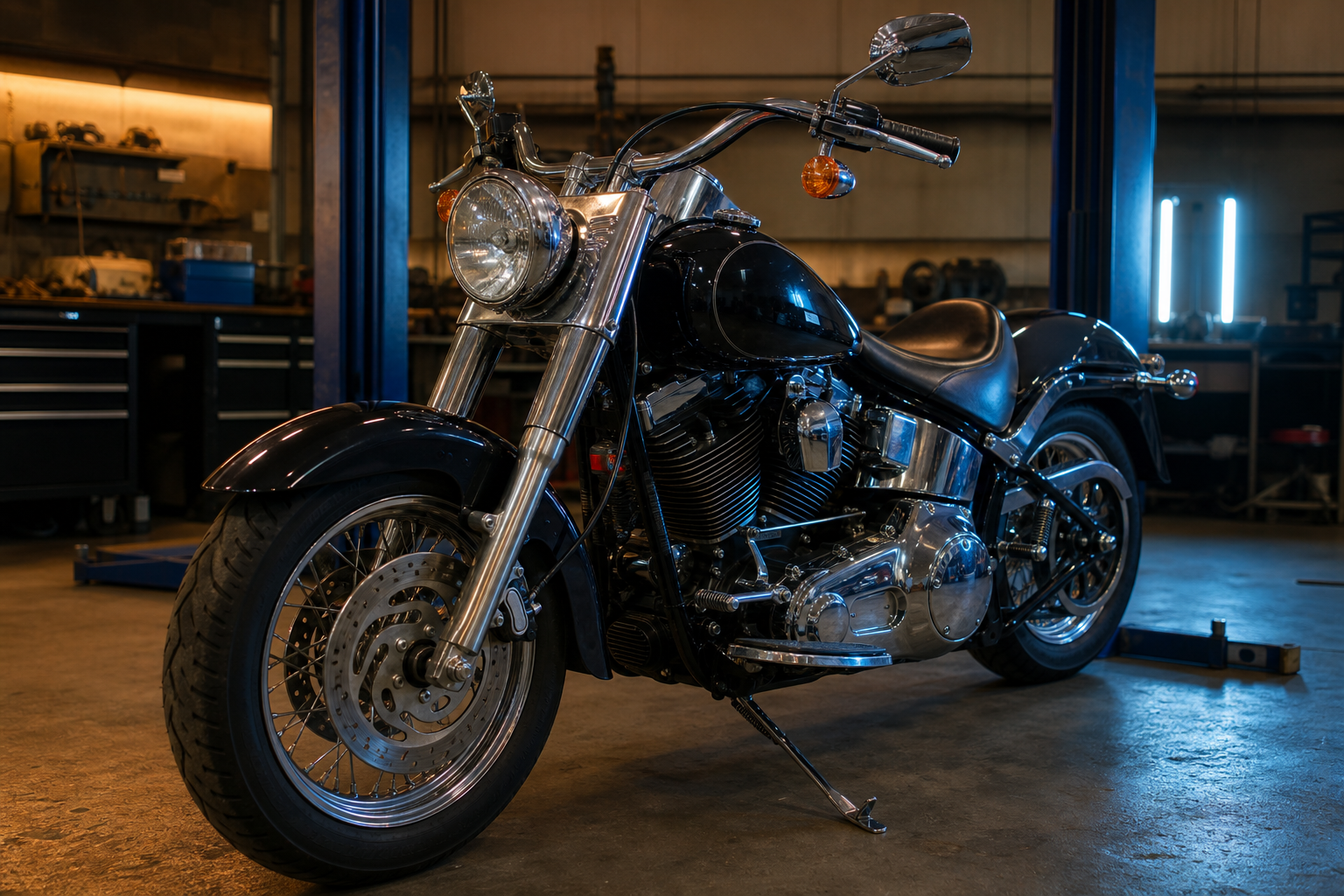
Softail service, stage kits, cams, and full custom cruiser builds on the modern and classic Softail platform.
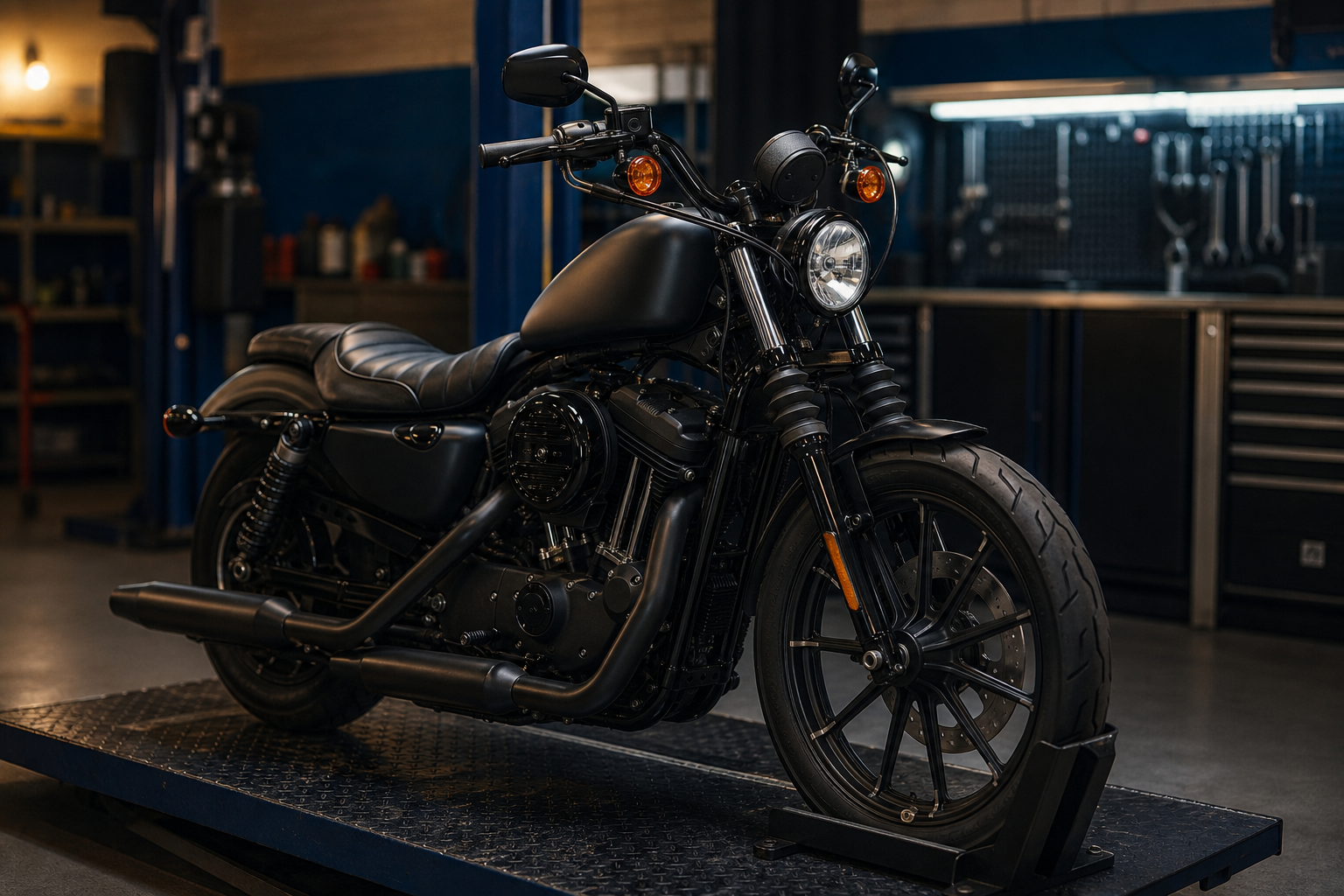
Service, performance, and custom work for the Sportster and the modern Nightster.
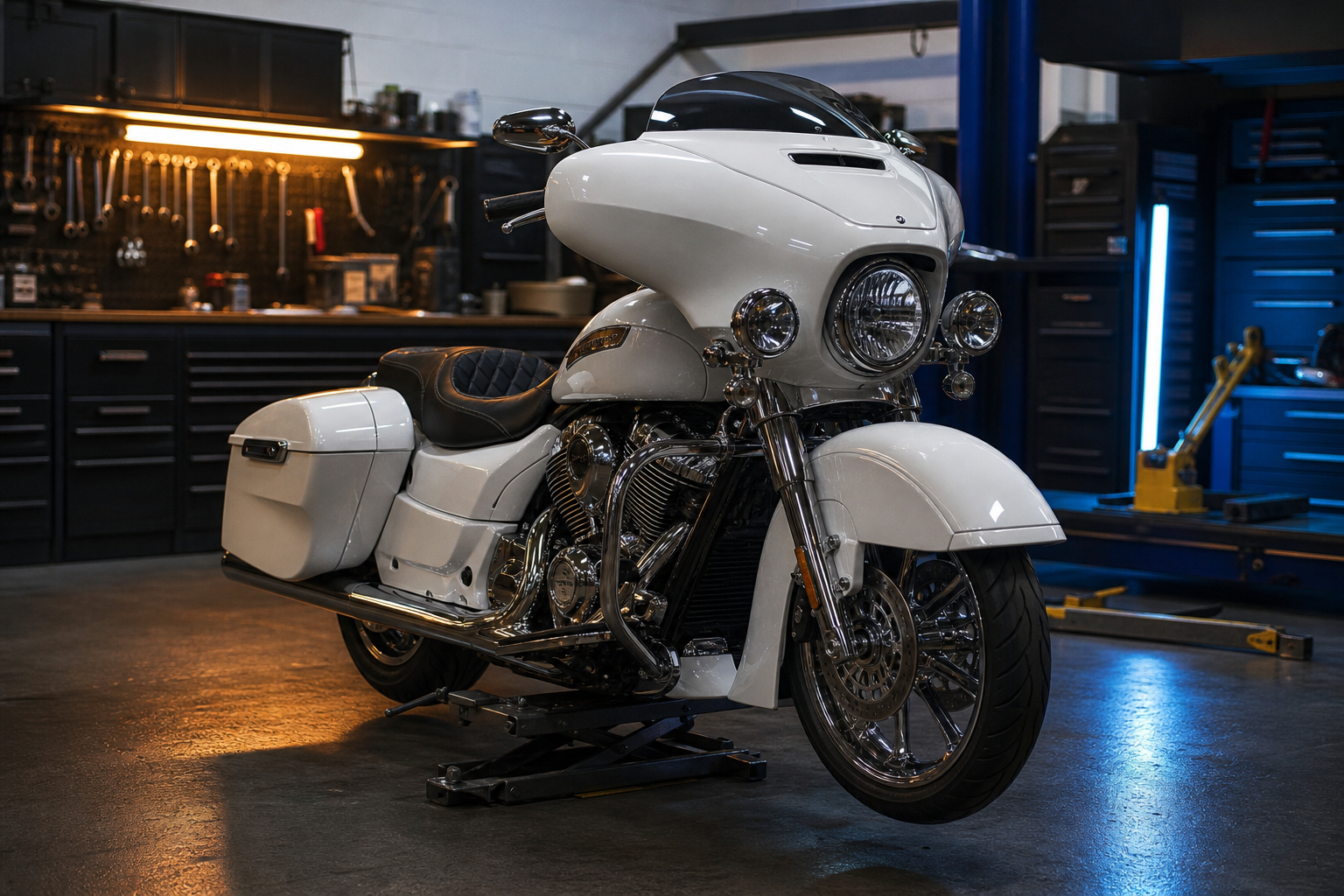
Full service and custom work for Indian's Chief and Chieftain cruiser and bagger lineup.
No mystery, no runaround. A bagger build should be as considered as the bike itself, and that starts with how the work is scoped and communicated. Here's how a job goes at Biscayne Moto Works, whether it's a Stage 1 tune or a full show build.
We start with the bike and how you ride, and map a build or service that fits — no parts you don't need.
A clear scope and quote before we start — no surprise line items, no "while we were in there" without a call.
Tuning verified on the dyno, audio and suspension done right, everything torqued to spec. Updates as we go.
We road-test, confirm it runs and rides right, and walk you through what we did and why.
We didn't build this reputation on a sales floor — we built it one dialed bagger at a time, with riders who'd been burned by loud pipes and no tune, or a build another shop couldn't finish. Here's what a few of them had to say.
"Another shop sold me pipes and a 'tune' and my Street Glide ran hot and popped like crazy. Biscayne put it on the dyno, fixed the fueling, and it runs cool and pulls hard now. Night and day. Should've come here first."
— Ray M., Hialeah · Street Glide
"They built my Softail — 26" wheel, bags, stereo, the whole thing — and it actually stops and handles like they thought about it. Did the brakes and fork, not just the pretty parts. Rides to Key West and turns heads at bike night."
— Carlos R., Kendall · Softail
"Bought my Indian used and brought it here for a check before I built on it. They caught corrosion and a tired tensioner I'd never have seen. Fixed it right, then did a Stage 2. These guys actually ride."
— Dwayne P., Miami Gardens · Indian Chieftain
The custom bagger specialists can genuinely build a show bike — but they book out for months, charge accordingly, and often can't be bothered with the maintenance that keeps it running. The big dealers will take any Harley but treat a build like a parts-counter transaction, with no one who actually tunes. Neither one is what most riders want.
We built the lane in between: real stage tuning, audio, suspension, and custom capability, run at dealer throughput and a fair rate, by people who ride these bikes and keep the fundamentals right underneath the chrome. Bought here or anywhere else. You get the custom shop's skill without the wait, the markup, or the "we don't do maintenance" shrug.
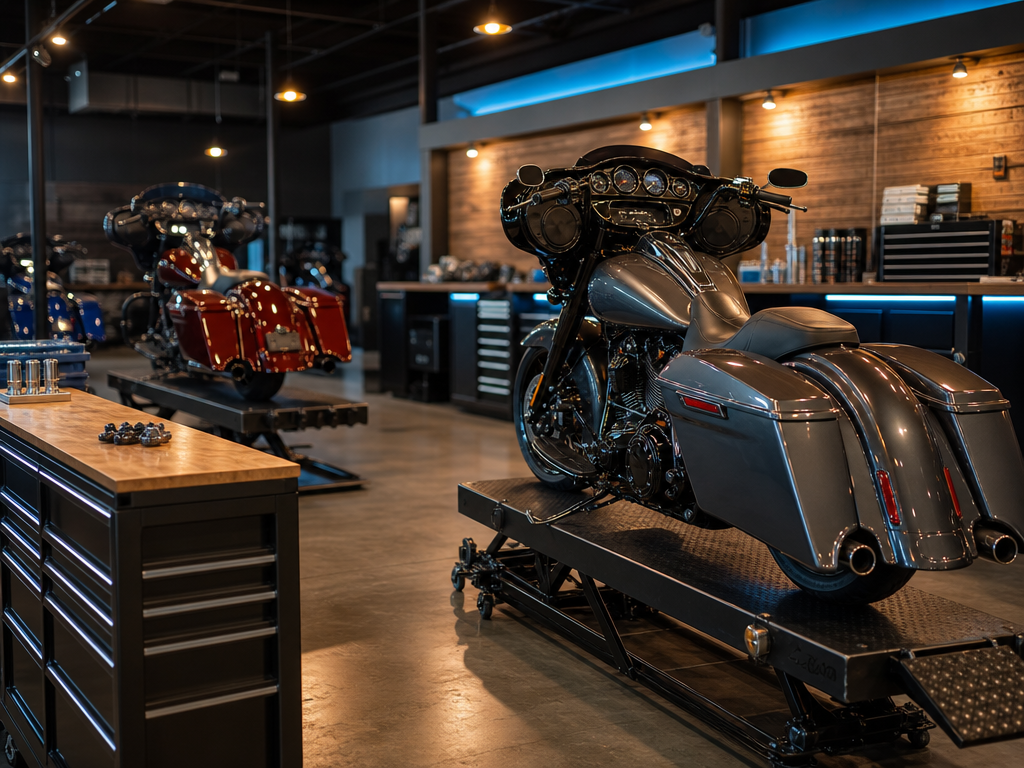
We service what you ride — regardless of where you bought it.
We service Harley-Davidson across the board — Softail, Touring, Sportster and Nightster — plus Indian Chief and Chieftain and other major cruiser brands. Whether it's a stock Street Glide or a fully built stage-kit bagger, we do stage tuning, cam and top-end work, audio, suspension, and full custom builds under one roof.
Absolutely. Our stage kit work is open to any Harley-Davidson, no matter where you bought it. We handle Stage 1 intake-and-tune all the way to Stage 4 big-bore builds, and every kit gets a dyno-verified tune so the fueling is right for Miami heat, not a generic canned map.
Yes, that's some of our favorite work. We do apehanger and tall-bar conversions with the correct extended lines, stretched and color-matched bags, full audio systems, and paint. See our custom bagger builds page for how we scope a build from mild to full show bike.
Sooner than the manual implies if you carry a passenger and bags or ride year-round in Miami's heat and salt air. Loaded touring cruisers work their rear suspension and brakes hard. We check both during any major service and can upgrade to air ride or a big-brake setup while we're in there.
For a Miami bagger, audio is one of the most popular upgrades we do — and doing it cleanly matters. We handle speaker-lid conversions, amplifiers, and head units with proper wiring and weatherproofing so it survives the heat and humidity, not a hacked-in install that rattles loose in a season.
Definitely. Chrome and a fresh wash hide a lot on a used cruiser — salt-air corrosion under the tank and frame, worn cam chain tensioners on older Twin Cams, and tired suspension. Our pre-purchase inspection checks the mechanical reality behind the shine before you hand over the money.
Both. Harley is the bulk of the cruiser work in Miami, but we service Indian Chief and Chieftain, metric cruisers, and the rest. We're a multi-line shop first — the point of Biscayne Moto Works is that we service what you ride, whatever badge is on the tank.

Based on Biscayne Blvd in Miami's MiMo corridor, we serve cruiser and bagger riders throughout Miami-Dade — from Calle Ocho to the Homestead bike nights.
Stage kit, audio, suspension, or a full custom — tell us the bike and how you ride, and we'll build the honest version of it.
START YOUR BUILD